
Last updated November 23, 2026
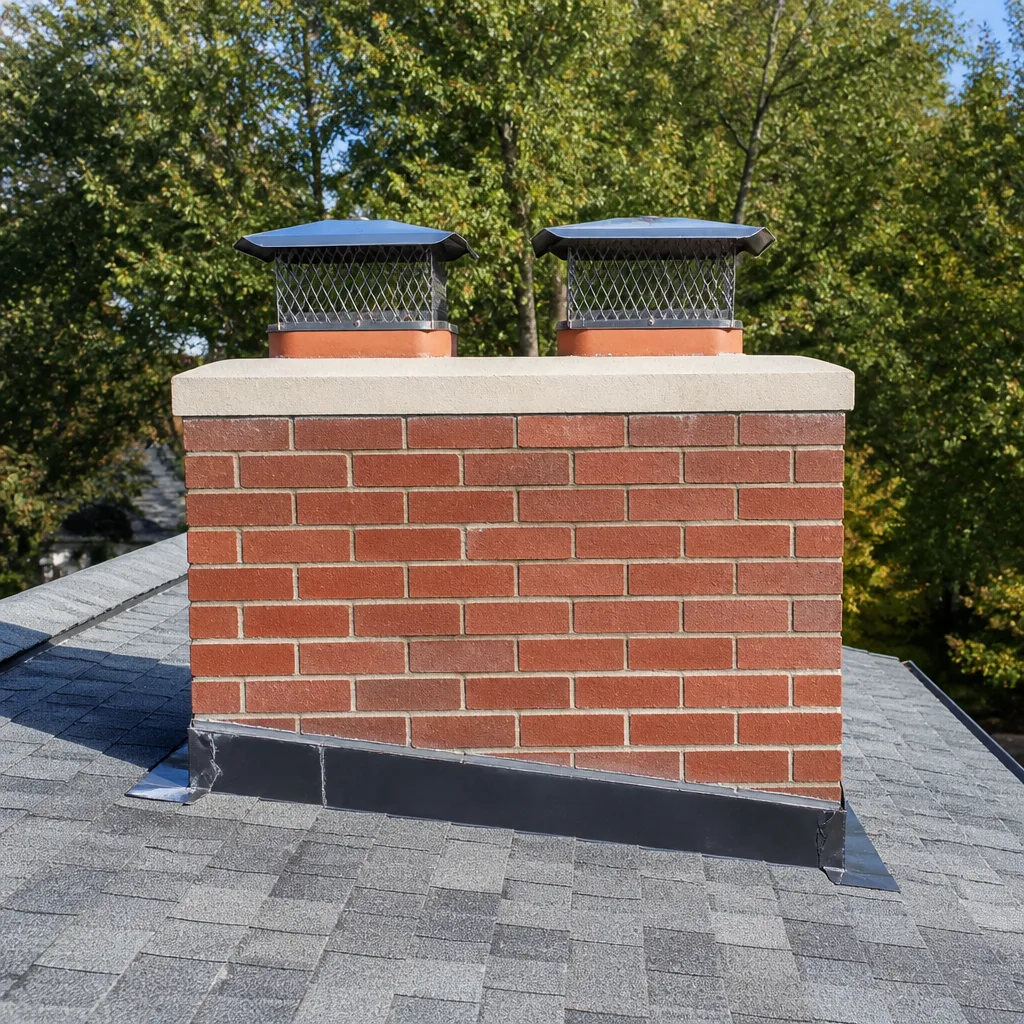 Sweep & inspection
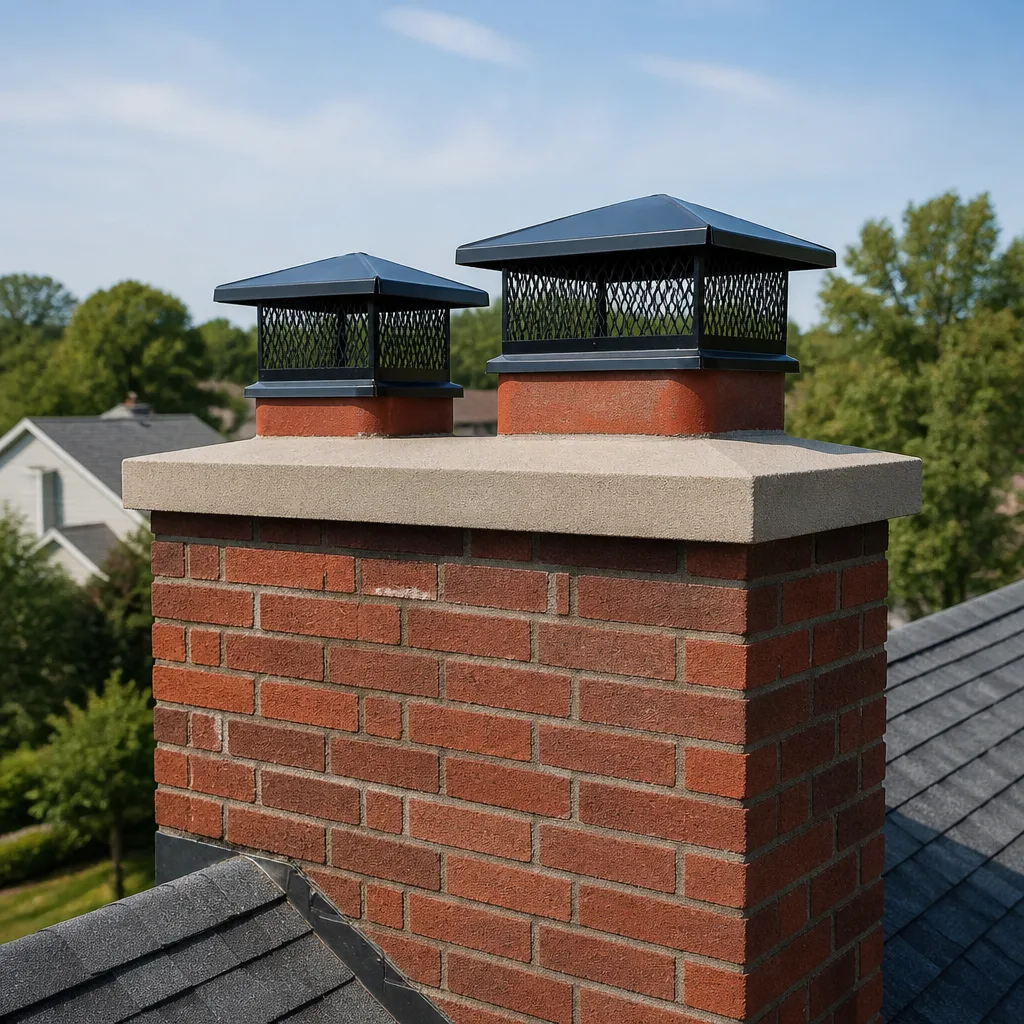 Caps & crowns
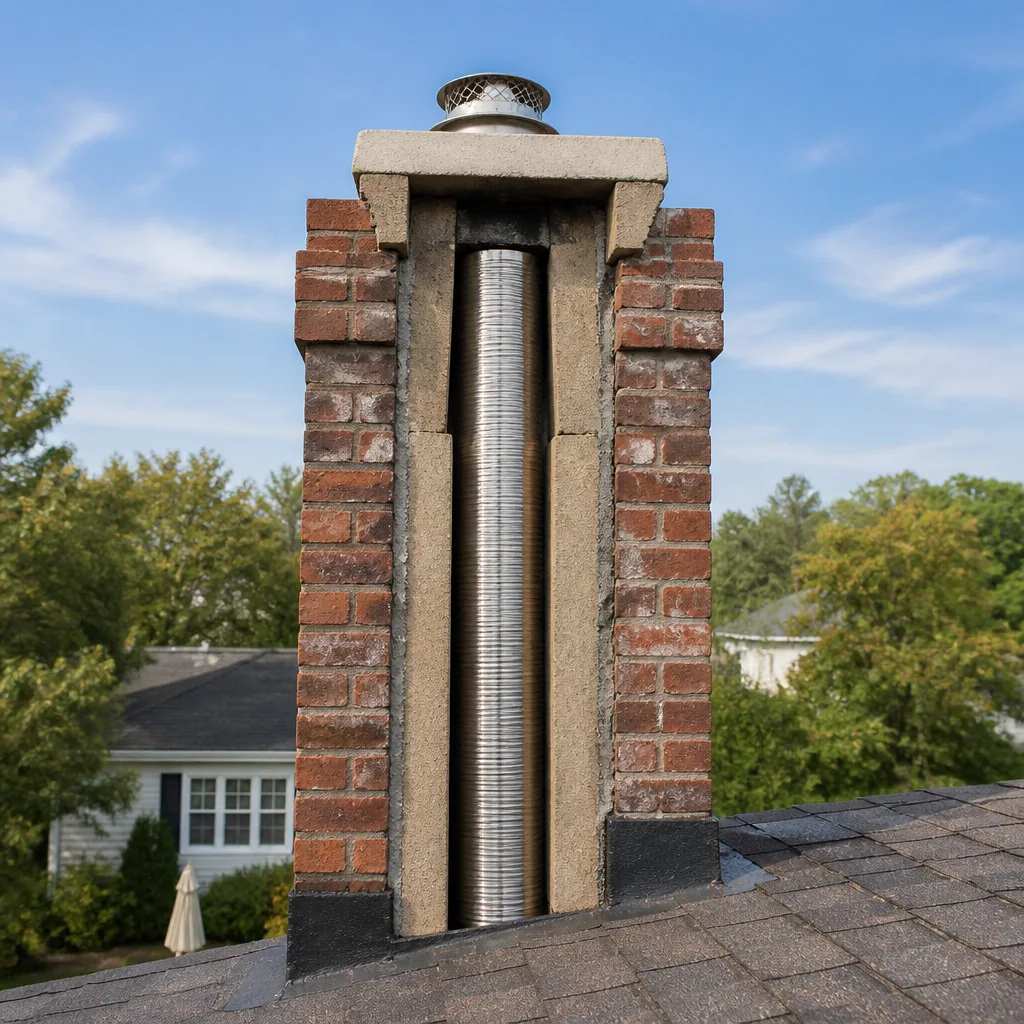 Flue relining
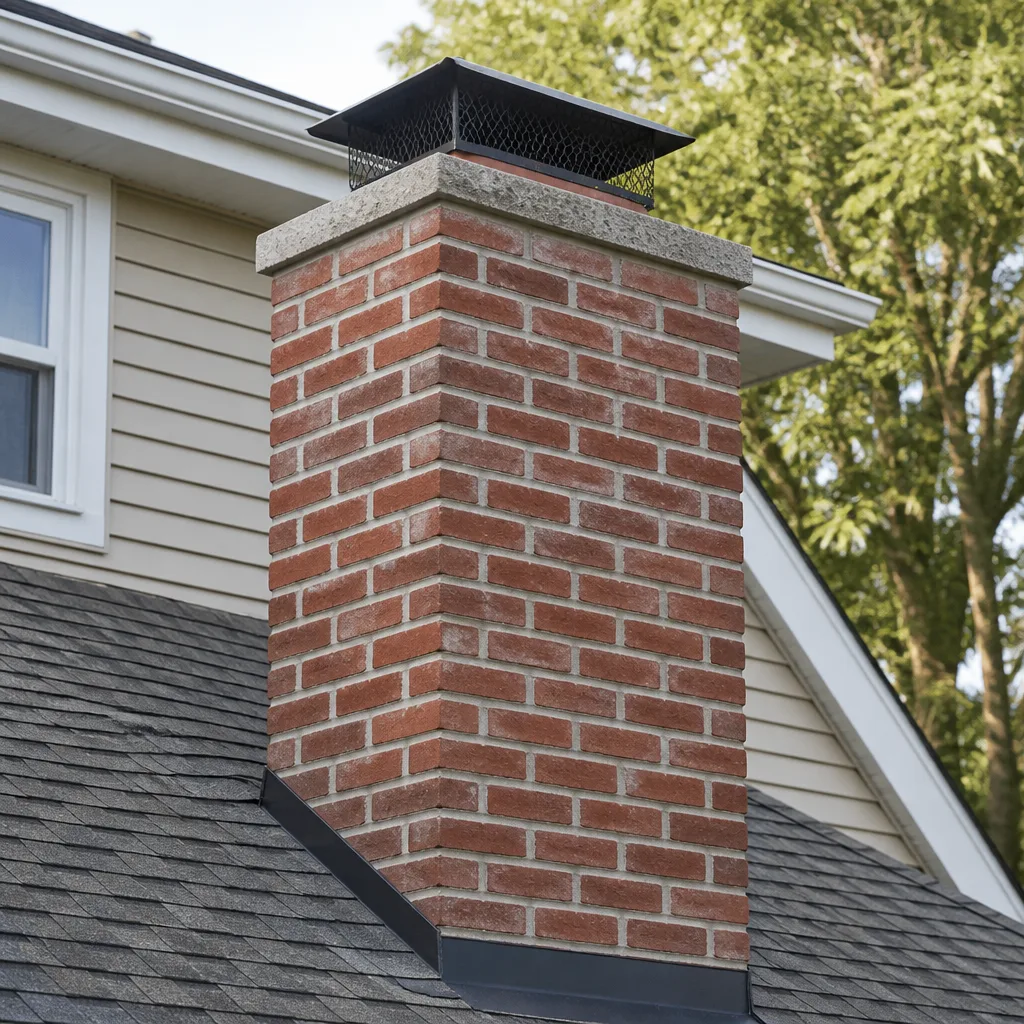 Masonry repair
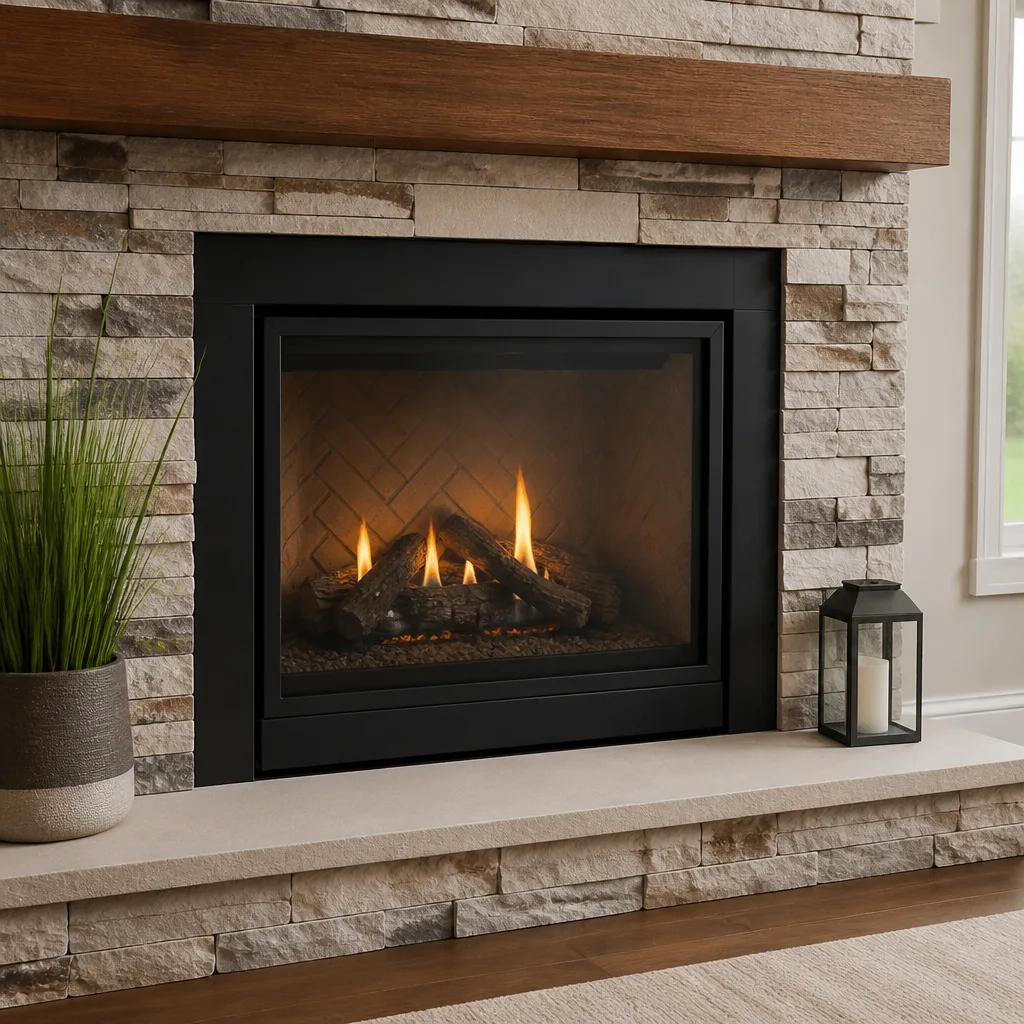 Gas fireplace service
Level 1 sweep and inspection to the NFPA 211 annual standard - flue, crown, cap, and flashing checked and photographed
Chimney sweep logs do not sweep chimneys. They loosen some creosote - which then falls where a brush and vacuum still have to collect it.
Chimney Cleaning Emergency Preparedness Guide for Northeast Raleigh Homes
A chimney fire doesn’t always sound like a roaring freight train. Low-intensity fires can burn slow, produce no visible flame above the crown, and smolder inside a cracked liner for hours, transferring heat to the framing around it the entire time. That quiet version is the one that catches homeowners off guard. Most people picture a dramatic emergency and assume they’d know one instantly. In our experience, the fires that do the most damage are the ones nobody noticed. This guide walks you through what a chimney emergency actually looks like in a Northeast Raleigh home, how to respond in the first fifteen minutes, and what to have ready before the season starts.
Quick Answer
If you suspect a chimney fire, close the damper, get everyone out of the house, and call 911 from outside. Don’t open windows or doors to ventilate, since the extra oxygen feeds the fire. After the fire department clears the scene, the chimney cannot be used again until a technician completes a Level 3 inspection per NFPA 211 and confirms the flue is sound.
Styles & brands we work with
- Sweep & inspection
- Caps & crowns
- Flue relining
- Masonry repair
- Gas fireplace service
Table of Contents
- How do you know a chimney fire is happening?
- What should you do in the first fifteen minutes?
- What happens after the fire department leaves?
- How do you tell a blockage from a draft failure?
- What should be in place before the season starts?
- Why does your cap and crown matter in an emergency?
- How does Northeast Raleigh weather set up chimney emergencies?
- What routine maintenance prevents emergencies?
How do you know a chimney fire is happening?
Chimney fires present across a wide range. Some are obvious within seconds. Others give you almost nothing to see from the living room, and the only clue is inside the flue itself. Knowing the full spectrum is the first line of defense, because the subtle signs are the ones most people dismiss as normal fireplace behavior.
The dramatic signs are the ones people recognize: a loud roaring or rumbling sound like a distant train, visible flame or sparks shooting from the top of the chimney, and thick black smoke pouring from the crown. If you see any of these, the situation is already serious. Move to the response steps below immediately.
The subtle signs are where the danger lives. Watch for these:
- An unusually intense heat coming off the firebox front, hot enough that you can’t comfortably hold your hand near the glass or the fireplace opening
- Dense dark smoke backing into the room instead of drafting up
- A damper that shakes or vibrates, or a rumbling you can feel through the hearth
- A smell that’s sharper and more acrid than normal wood smoke, sometimes described as tar or burning creosote
- Popping or crackling that continues well after you’ve stopped adding wood
That last one matters. Creosote igniting inside the flue makes a sound distinct from firewood. If you hear continued crackling when the fire should be settling, treat it as a possible flue fire. In Northeast Raleigh, where many homes run wood fires through the colder months, a slow creosote fire can go unnoticed behind a closed damper for a long stretch. The heat doesn’t leave. It goes into the masonry and into whatever combustible material sits against the chimney chase.
One more thing: a fire that sounds quiet doesn’t mean the liner is fine. Cracks and gaps that let heat escape into framing can develop in a fire you never noticed at all. That’s why the inspection after any suspected event matters as much as the response during it.
What should you do in the first fifteen minutes?
The correct sequence is short and the order is not negotiable. Close the damper, evacuate, call 911 from outside. Everything else follows from those three steps, and doing them in the wrong order can make things worse.
- Close the damper if you can reach it safely. Starving the fire of air slows it. If the damper is already jammed or the firebox is too hot to approach, skip this step and get out. Your safety outranks the fire.
- Get everyone out of the house. Move to the yard or the street, away from the chimney side of the structure in case anything comes down. Don’t stop to gather belongings.
- Call 911 from outside. Tell the dispatcher you have a chimney fire. Stay on the line.
- Leave the doors and windows closed. This is the step people get wrong. Opening a window or the front door to “air things out” gives the fire a fresh supply of oxygen and can turn a contained flue fire into a flashover. You’re trying to starve it, not feed it.
- Don’t spray water into the firebox. Water on a hot flue can crack masonry and liners, and the resulting steam can drive heat and smoke back into the room.
If you’ve had a chimney fire extinguisher like Chimfex on hand, it can be used on a fire that’s still small and contained in the firebox, but it is not a substitute for getting out and calling 911. Extinguishers are for knocking down a fire you catch early, not for fighting one that’s already roaring up the flue.
That first fifteen minutes decides whether the incident stays a contained flue event or becomes a structural loss. A fire that stays inside an intact liner is a chimney problem. A fire that escapes through a crack into framing is a house problem. The difference is often whether the flue was sound to begin with, which is why maintenance matters so much in Northeast Raleigh homes.
What happens after the fire department leaves?
Once the fire department clears the scene, the chimney cannot be used again until a certified technician has completed a Level 3 inspection per NFPA 211 and confirmed the flue is structurally sound. This is the step homeowners most often skip. The fire is out, the house smells like smoke, and it’s tempting to assume everything’s fine because nothing is actively burning.
It usually isn’t fine. A chimney fire, even a small one, can:
- Crack or spall the clay tile liner, opening gaps that let heat and gases into the masonry
- Warp a stainless steel liner or open seams at the joints
- Damage the crown and the mortar at the top of the chimney
- Compromise the bond between the flue and the surrounding framing
That’s why the post-fire inspection is more extensive than a routine annual check. NFPA 211 defines levels of inspection based on how much access is needed. Level 3 is the most involved: it assumes access to concealed areas of the chimney, which may mean opening a wall or removing part of the chimney chase to see the flue from outside. It sounds drastic, but a fire that’s transferred heat into framing doesn’t announce itself. The only way to know is to look.
Until a technician has completed that inspection and signed off, the fireplace stays cold. Don’t burn anything. Don’t assume a visual check from the firebox is enough. And don’t let a well-meaning sweep do a quick cleaning and call it done; a cleaning removes soot, it doesn’t assess structural damage.
In our experience, this is where homeowners get the most value from working with a full-system specialist. A sweep-only crew can clean what’s left, but they can’t evaluate the liner’s structural integrity, can’t restore a deteriorated flue interior, and can’t tell you whether your cap and crown survived the event. We handle chimney repair as a core service, which means the same company that assesses post-fire damage can carry out the fix.
How do you tell a blockage from a draft failure?
A sudden flue blockage and a draft failure can look similar from inside the house: smoke backing up, a fire that won’t draw, a room full of acrid air. But they call for different responses, and telling them apart without going onto the roof matters.
Blockage means something physical is sitting in the flue: a bird nest, a fallen cap, a buildup of creosote that’s narrowed the passage to the point where gases can’t escape, a collapsed piece of liner. Symptoms tend to build over one or two fires rather than all at once. You’ll notice smoke rolling out of the firebox rather than drafting up, the fire burning sluggish and smoky, and a smell that hangs in the room after the fire goes out. Sometimes you’ll hear a rattle or scratch in the flue when the wind picks up.
Draft failure is about pressure and temperature rather than a physical obstruction. Symptoms cluster around startup: a fire that smokes heavily when you first light it then settles once the flue warms, or the reverse: a fire that burns fine until the wind changes direction. Northeast Raleigh homes on exposed lots, or with tall trees close to the chimney, see more draft problems than homes on sheltered interior streets. Cold flues, negative pressure inside a tight house, and competing exhaust fans can all cause a fire to refuse to draw.
Here’s the practical distinction: if the fire ever drew well and now doesn’t, suspect a blockage. If the fire has always been fussy about startup and draft, suspect a pressure problem. Neither should be solved by climbing onto the roof yourself. A flue that’s blocked can release carbon monoxide into the living space, and a homeowner on a wet or steep roof is a genuine fall risk. Close the damper, open a window on the same wall as the fireplace if you need to relieve pressure during a draft problem, and call us.
Carbon monoxide is the reason to act rather than wait. A blocked flue doesn’t always smell like smoke. It can push invisible CO into the room with nothing visible going wrong. If anyone develops headache, dizziness, nausea, or confusion while a fire is burning, get everyone outside and call 911. Don’t re-enter to open windows.
What should be in place before the season starts?
Preparedness comes down to a short list of things you set up in the fall so you’re not scrambling in the middle of an emergency. Each item takes minutes to arrange and pays off the one time you need it.
- Have our contact on file. Save (855) 726-7508 in your phone under a name you’ll recognize. We answer 24/7, and fast dispatch runs 7am to 7pm, Sunday through Friday. When you smell smoke coming from somewhere it shouldn’t, you don’t want to be searching for a number.
- Know your cap model. If your cap is a Chase 211 stainless steel model, or any specific brand, write the model down and tape it inside a cabinet near the fireplace. If the cap is damaged in a storm or a fire, having the model number on hand speeds up replacement sourcing enormously.
- Keep a chimney fire extinguisher accessible near the firebox. A product like Chimfex is formulated for chimney fires specifically and can knock down a small fire before it climbs the flue. Store it within reach, not buried in a closet.
- Test your smoke and carbon monoxide detectors. A CO detector on the same floor as the fireplace is not optional in a home with a wood-burning appliance.
- Get the annual inspection done before the first fire. A pre-season inspection catches the cracked tile, the loose cap, the creosote buildup that would be a problem in January.
- Clear the hearth and mantel. Combustible decor near the firebox is the most common thing that turns a small fire into a house fire.
If you’re starting from zero, our chimney sweep Northeast Raleigh service includes the inspection that identifies what needs attention before you light the first fire of the season. We don’t recommend anything we can’t show you with a camera.
Why does your cap and crown matter in an emergency?
The cap and crown are your chimney’s first line of defense against water, and in an emergency they’re often the first thing to fail. A missing or damaged cap is the most common source of water intrusion into a chimney. Water gets into the masonry, freezes, thaws, and spalls the brick from the inside. Over a few Northeast Raleigh winters, a chimney with a bad cap can develop cracks in the crown, deteriorated mortar joints, and a liner that’s wet when you light the first fire of the season. A wet liner is a cracked liner waiting to happen.
In an emergency, the cap is also a safety component. A bird or squirrel nest in an uncapped flue is one of the most common causes of a sudden blockage. A cap that’s come loose in a windstorm can drop into the flue and block it entirely. And a stainless cap that’s been damaged by heat from a chimney fire may no longer vent properly, which is why it needs to be assessed in the post-fire inspection along with the flue itself.
We install chimney cap & crown using purpose-built components from brands like Gelco and Famco. A properly fitted cap keeps rain, animals, and debris out of the flue, and a sound crown sheds water away from the chimney top rather than letting it pool and freeze into the masonry. If you’re not sure what condition your cap is in, that’s one of the easiest things to check as part of any inspection.
How does Northeast Raleigh weather set up chimney emergencies?
Northeast Raleigh’s weather creates a specific pattern of chimney risk across the year. Winter is the obvious season: cold, damp air, long fires, and a house that’s sealed tight against the cold. That combination means the flue is working harder, creosote accumulates faster, and negative pressure inside a tight house can make a fire struggle to draft. It also means that when a blockage develops, the CO has nowhere to go but into the living space.
Spring and fall bring a different problem. The shoulder seasons are when a fire that drew fine in January starts smoking on startup, because the flue is cold and the outside air temperature is closer to inside. Homeowners sometimes assume something structural has changed, when it’s really a temperature and pressure issue. A technician can tell the difference.
Summer is the season of unseen damage. A cap that fails in a summer storm lets water into the flue. A crown that cracks in a freeze-thaw cycle opens up a path for water. By the time the first fire of fall is lit, the masonry has taken on water it can’t shed. That’s why we recommend an inspection before the season rather than after the first surprise.
Northeast Raleigh’s neighborhoods see this in different ways. Homes with tall pines close to the chimney, common on lots in neighborhoods off Falls of Neuse and around the Wake Forest Road corridor, deal with more animal intrusion and more draft problems from wind shadowing. Homes on more open lots face more wind-driven rain against the cap and crown. Neither is a crisis; both are reasons to have the cap checked.
What routine maintenance prevents emergencies?
Almost every chimney emergency traces back to a maintenance gap. A creosote fire needs fuel to burn, and creosote is fuel. A sudden blockage needs an opening, usually an uncapped flue. A CO event needs a path for gas to escape into the house, which is a liner problem or a blockage. Take those three things off the table and the emergency list gets very short.
Here’s the routine we recommend:
- Annual sweep and inspection. Even if you only burn a few cords a season, the creosote needs to come out and the flue needs to be assessed. Our technicians have up to 14 years of experience and work with contractor-grade materials from brands like DuraFlex and HeatShield, so the same visit can identify and solve what comes up.
- Burn dry, seasoned wood. Wet wood produces more creosote. The difference in buildup between seasoned and green wood over a season is substantial.
- Keep the cap intact. A cap that’s rusted, loose, or missing is a standing invitation for a nest or a rain path.
- Avoid long, slow, smoldering fires. A fire that’s choked for air deposits creosote in the flue. A hot, brisk fire burns cleaner.
- Address liner damage early. A cracked tile can be restored with HeatShield resurfacing in many cases rather than replaced with a full stainless reline. Our fireplace repair service covers the firebox side of the system, and if the flue interior needs restoration, that’s part of the same conversation.
If you’re not sure where your system stands, start with a chimney sweep. The sweep cleans, the inspection evaluates, and the recommendation comes from camera footage you can see for yourself. Nothing gets quoted without evidence.
Common Mistakes to Avoid
- Assuming a quiet chimney isn’t a chimney fire. Low-intensity fires are often the most damaging because they smolder slowly and transfer heat into framing for hours. If the firebox front feels unusually hot or you smell acrid smoke, treat it as a possible fire.
- Opening windows or the front door “to clear the smoke.” That’s the single most counterproductive thing you can do during a chimney fire. The extra oxygen feeds it. Keep the house closed and get out.
- Using the fireplace after a fire without a Level 3 inspection. The fire department clearing the scene is not a clearance to burn. NFPA 211 sets the standard, and the chimney stays cold until a certified technician signs off.
- Climbing onto the roof to check the cap yourself. Northeast Raleigh roofs get slick and pitches can be steep. A flue problem is not worth a fall. Call us instead.
- Burning wood in a chimney you haven’t had inspected since you moved in. A new-to-you home can have a failed liner that no one ever noticed. Get the inspection done before the first fire.
- Skipping the cap because “it looks fine.” The cap is the first thing water gets past. If it’s not fitted and sound, the masonry is taking on water every storm.
- Relying on a sweep-only service to assess structural damage. A cleaning removes soot. It doesn’t evaluate a liner, restore a flue interior, or diagnose a cap. Ask for the full-system inspection.
See the difference
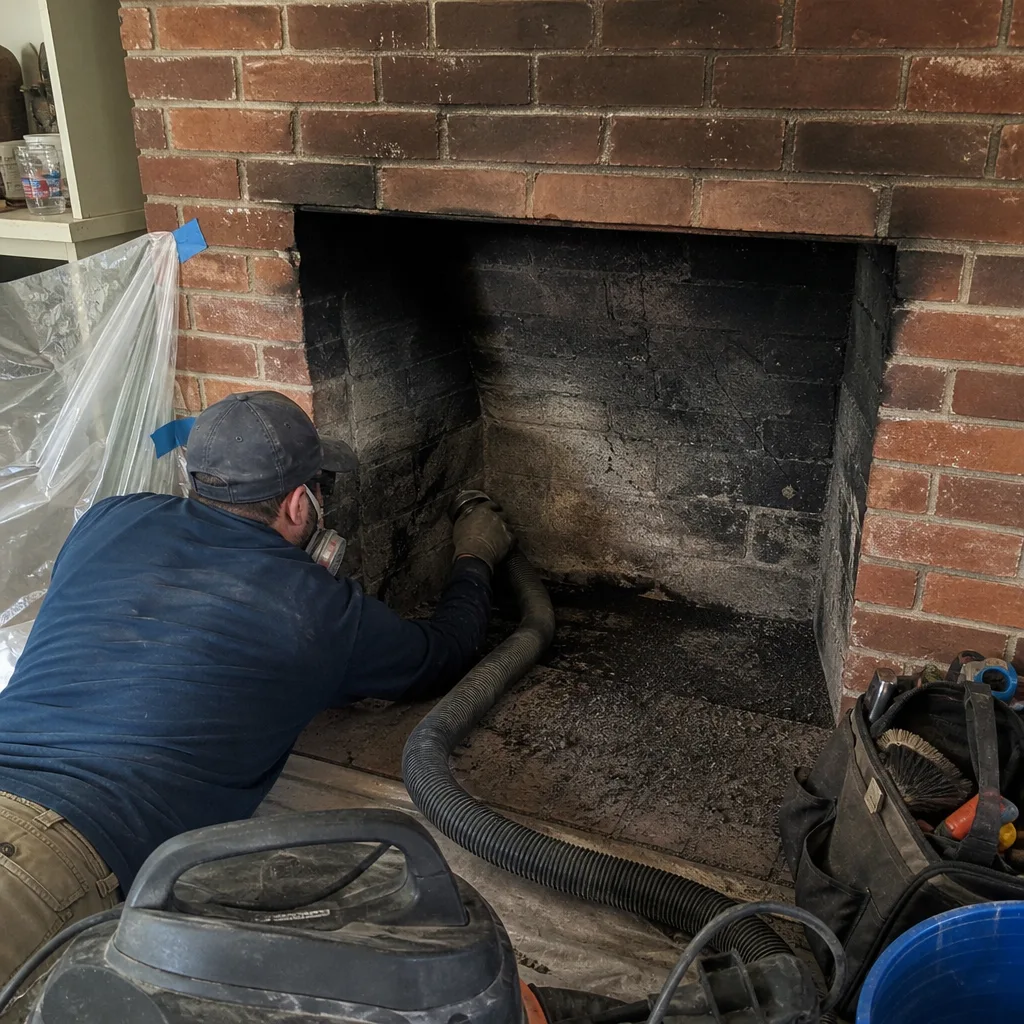 Before
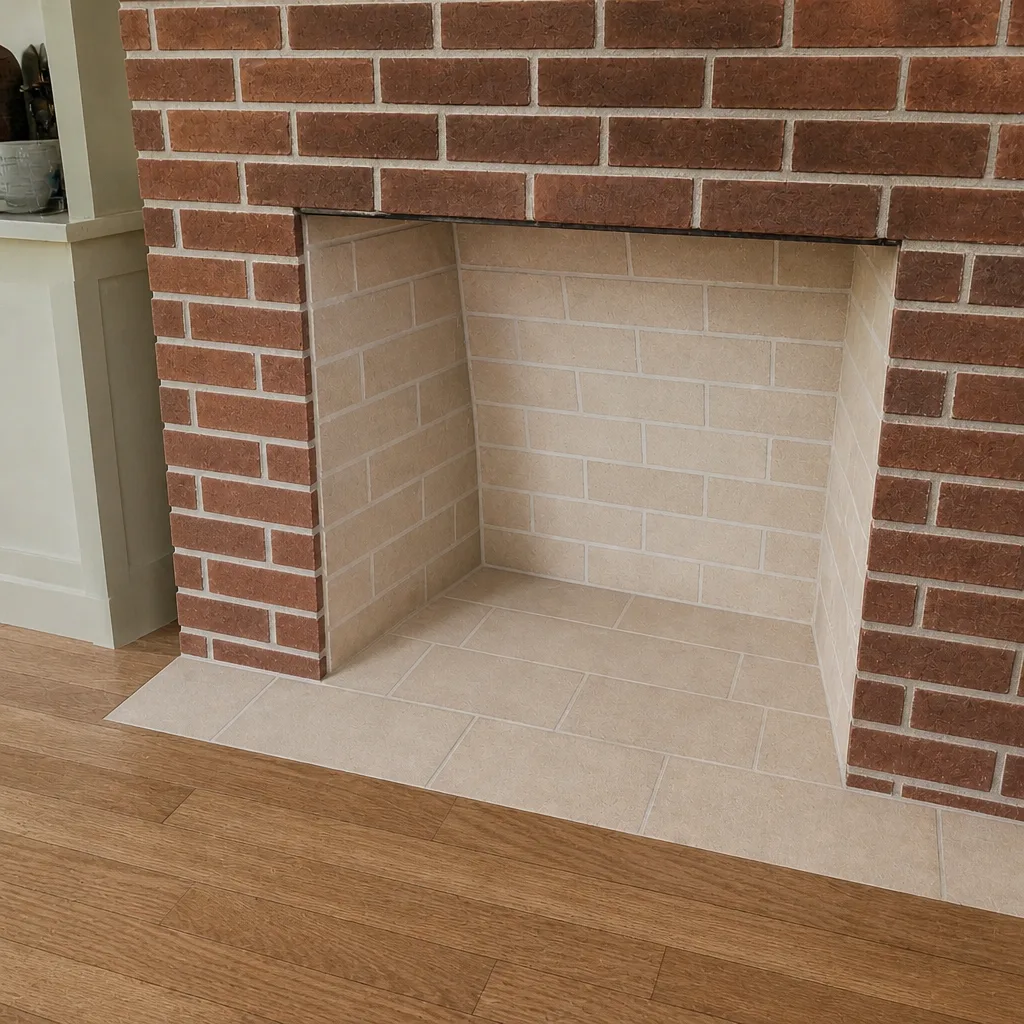 After
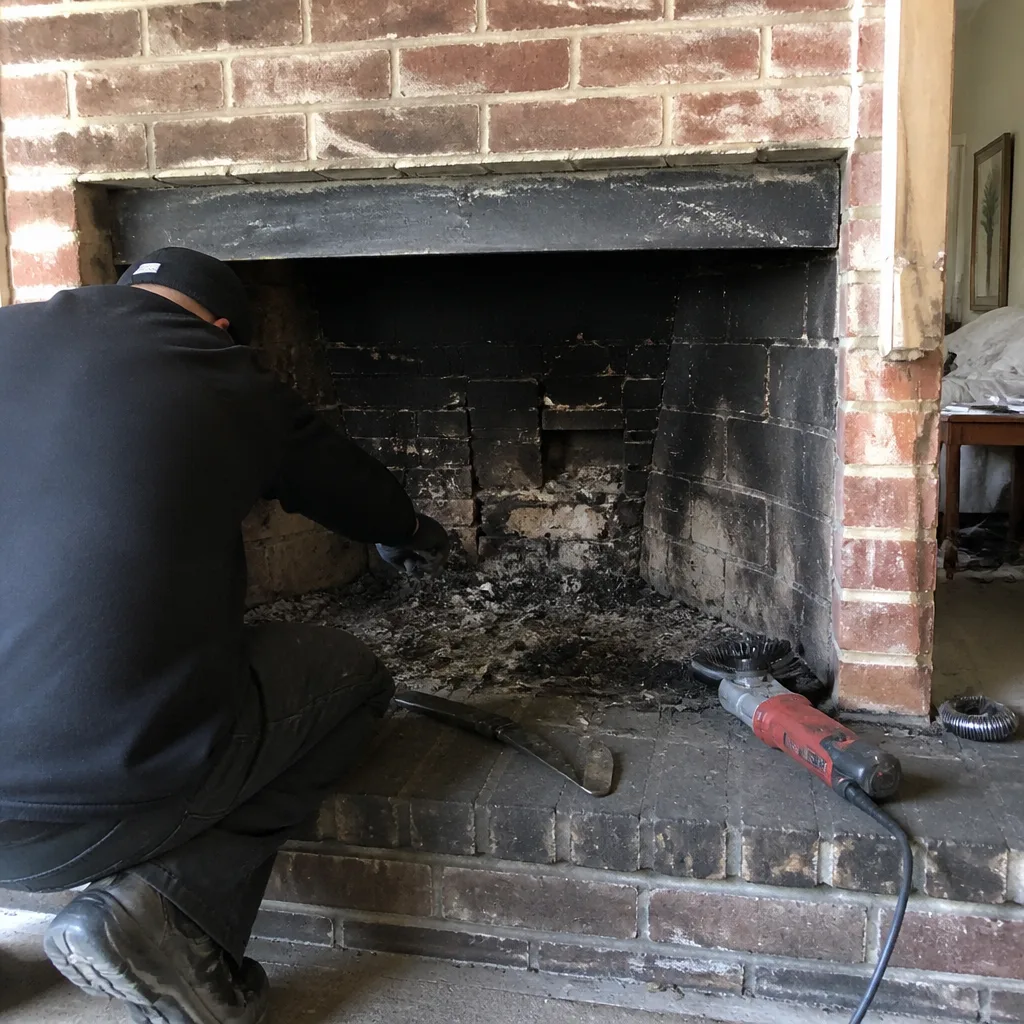 Before
 After
 Before
 After
When to Call a Professional
Call us if you’ve had any fire in the chimney, visible or suspected, because the post-fire inspection can’t wait for the next scheduled sweep. Call if smoke backs into the room when you light a fire, if the damper shakes or won’t open fully, if you smell acrid smoke with no fire burning, or if you hear anything rattling in the flue. Call if your cap is missing, loose, or damaged, and if your chimney crown is cracked or spalling. Call if anyone in the house has unexplained headaches or dizziness while a fire is burning. And call before the season starts if you haven’t had an inspection in the last year. Chimney Sweep Northeast Raleigh offers free estimates in Northeast Raleigh. Call (855) 726-7508. We answer 24/7. Fast dispatch from 7am to 7pm, Sunday through Friday.
Frequently Asked Questions
A chimney fire can sound like a loud roar or rumble, similar to a distant train, or it can make almost no sound at all. Low-intensity fires often produce only a continuous crackling or popping after you’ve stopped adding wood, plus a strong acrid smell. If you hear crackling in the flue when the fire should be settling, treat it as a possible fire and evacuate. Call (855) 726-7508 for a post-fire inspection.
No. The chimney cannot be used again until a certified technician completes a Level 3 inspection per NFPA 211 and confirms the flue is structurally sound. A fire can crack the liner or open gaps into the masonry without any visible sign from the firebox. Burning again before that inspection risks an escape into framing. Call (855) 726-7508 to book the inspection.
If the fire ever drew well and now doesn’t, suspect a blockage. If the fire has always been fussy about startup, suspect a draft or pressure problem. A blockage usually builds over one or two fires and may come with a rattle or scratch in the flue. A draft problem clusters around startup and often changes with wind direction. Either one deserves a professional look. Call (855) 726-7508.
You should have a fresh sweep and inspection, your cap checked and secure, a chimney fire extinguisher like Chimfex accessible near the firebox, a working CO detector on the same floor, and our phone number saved. If you know your cap model, note it down; it makes replacement faster if the cap is ever damaged. Book your pre-season inspection by calling (855) 726-7508.
Once a year for a chimney in regular use, and after any suspected fire or storm event that may have damaged the cap. Northeast Raleigh’s cold winters and freeze-thaw cycles work on masonry year-round, and creosote builds up faster with damp or unseasoned wood. An annual inspection catches liner cracks, crown damage, and cap problems before they cause an emergency. Call (855) 726-7508 to schedule.
No. Opening windows or doors feeds oxygen to the fire and can turn a contained flue fire into a flashover. The correct response is to close the damper if it’s safe, get everyone outside, and call 911 from outside. Keep the house closed. Once the fire department has cleared the scene, call (855) 726-7508 to arrange the post-fire inspection.
The Bottom Line
Chimney emergencies follow predictable patterns, and the ones that do real damage are usually the quiet ones. A low-intensity fire that nobody notices can transfer heat into framing for hours. A blocked flue can push carbon monoxide into a room with nothing visible going wrong. The response sequence is simple: close the damper, evacuate, call 911, and leave the house closed. The recovery is what most people skip, and it’s what matters most. After any fire, the chimney stays cold until a full inspection per NFPA 211 clears it. Do the pre-season work and the emergency list gets short.
If you’re ready to get ahead of it, call Chimney Sweep Northeast Raleigh at (855) 726-7508 for a free estimate. We answer 24/7, with fast dispatch from 7am to 7pm, Sunday through Friday.
Written by the team at Chimney Sweep Northeast Raleigh.