
Last updated November 23, 2026
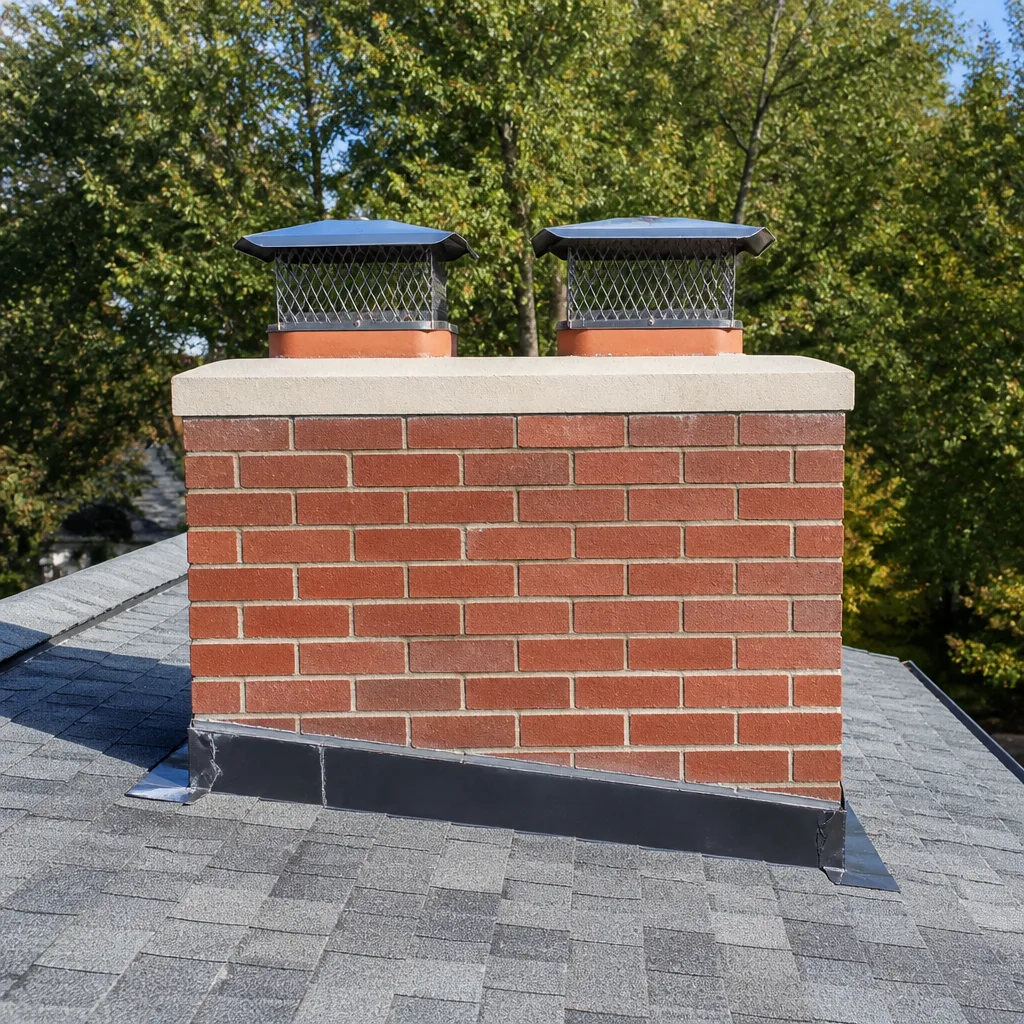 Sweep & inspection
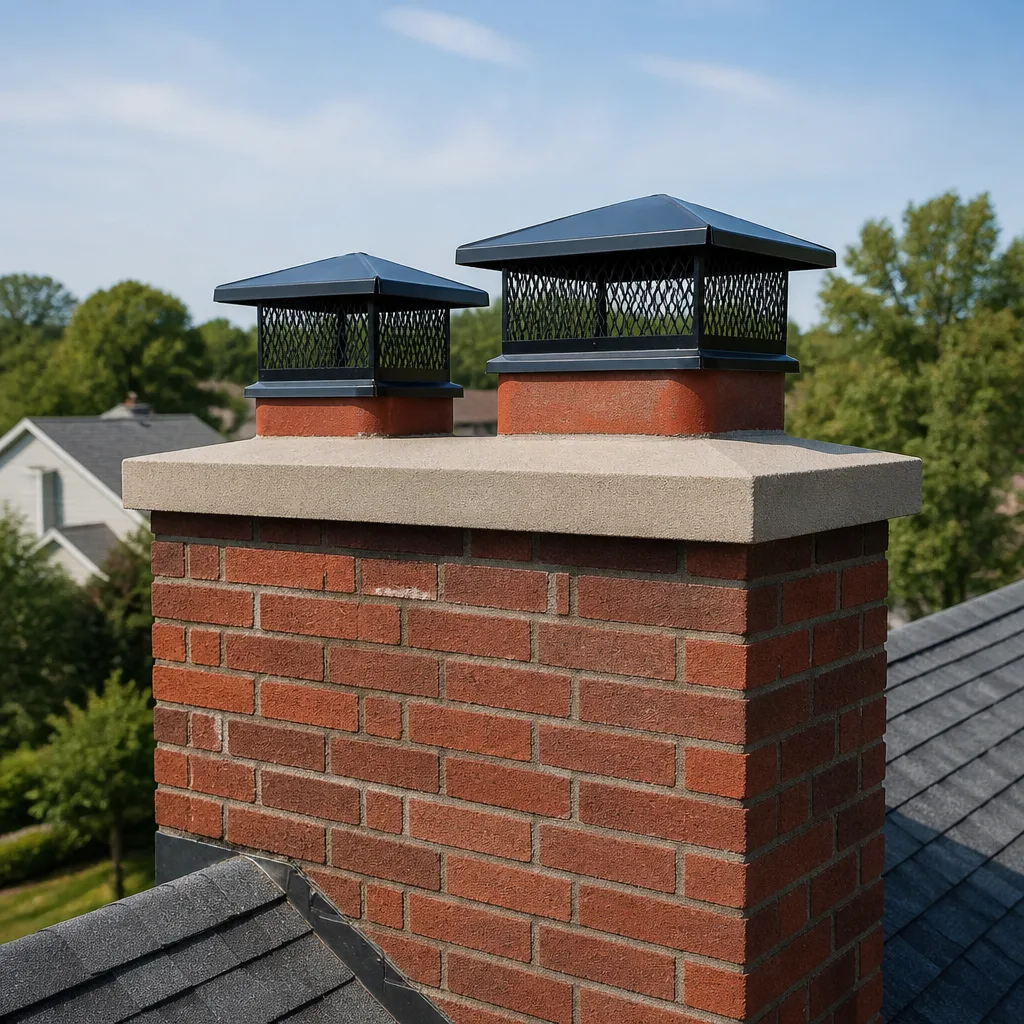 Caps & crowns
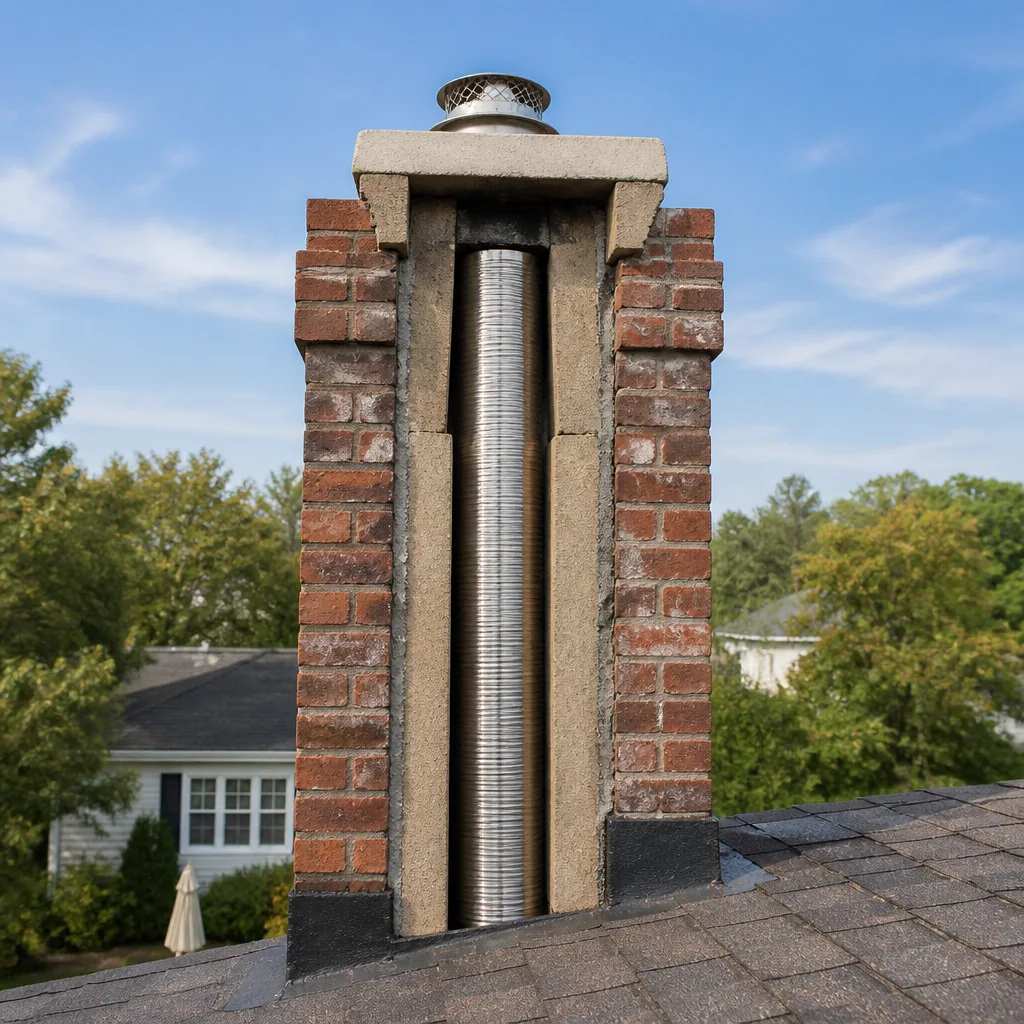 Flue relining
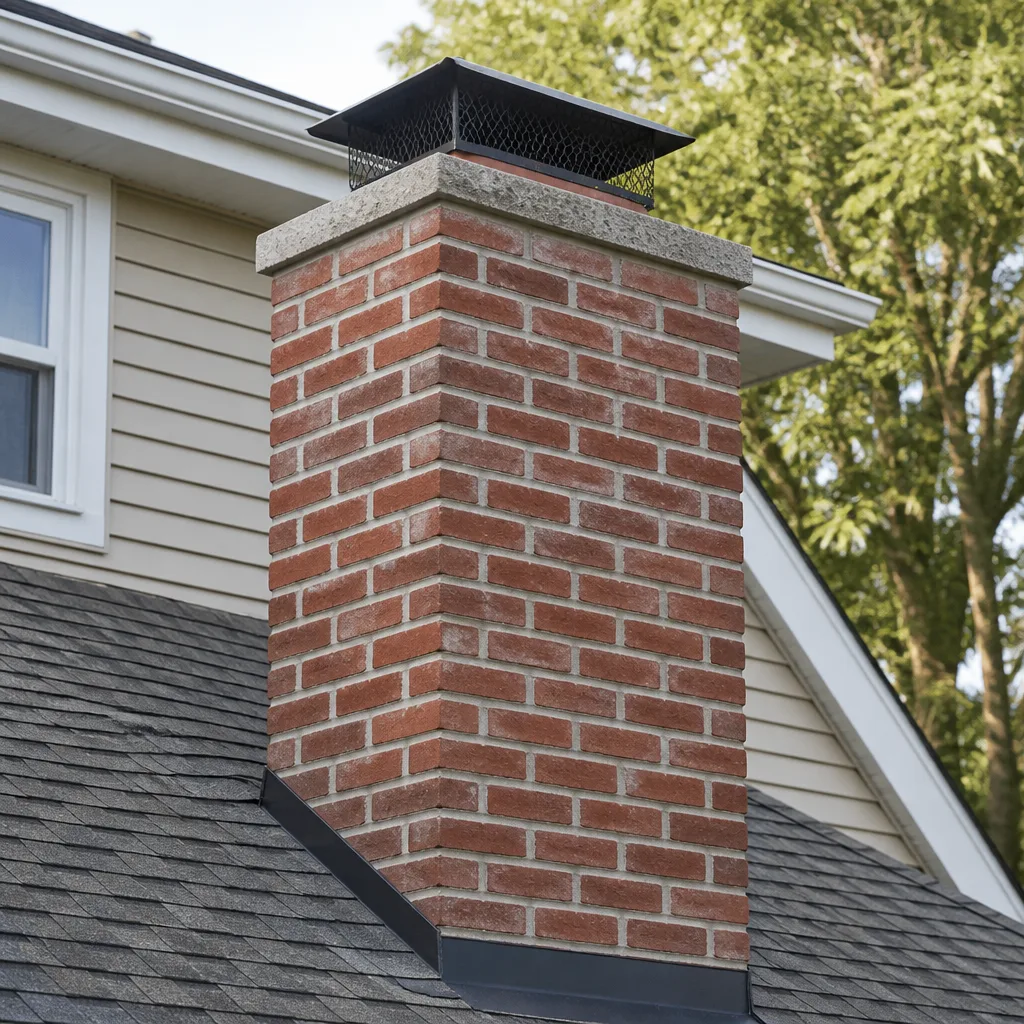 Masonry repair
 Gas fireplace service
Level 1 sweep and inspection to the NFPA 211 annual standard - flue, crown, cap, and flashing checked and photographed
Chimney sweep logs do not sweep chimneys. They loosen some creosote - which then falls where a brush and vacuum still have to collect it.
Chimney Cleaning Permits, Codes & Inspections in Northeast Raleigh, NC: What You Need to Know
Here’s the distinction that trips up a lot of homeowners: cleaning your chimney doesn’t require a permit in North Carolina, but the repairs a cleaning uncovers often do. If someone tells you a full flue reline or a firebox rebuild needs no permit in Wake County, that’s a conversation stopper. This guide walks through where the permit line actually sits, what the NC Residential Code requires, how NFPA 211 fits in, and what a proper inspection report gives you when insurers or buyers come asking. If you heat with wood in Northeast Raleigh, this is the paperwork side of chimney care that most people never hear explained.
Quick Answer
Sweeping a chimney in Northeast Raleigh does not require a permit. Structural or mechanical changes to the chimney system – relining a flue, rebuilding a firebox, altering appliance venting, or replacing a crown in some cases – generally do require a permit from Wake County, and those changes are governed by the NC Residential Code and the NFPA 211 standard it references. A Level 2 inspection is the document that tells you which category your job falls into.
Styles & brands we work with
- Sweep & inspection
- Caps & crowns
- Flue relining
- Masonry repair
- Gas fireplace service
Table of Contents
- Does Chimney Cleaning Require a Permit in Northeast Raleigh?
- What the NC Residential Code Says About Chimneys
- Wake County Permit Thresholds: Repair vs. Alteration
- Why NFPA 211 Matters in North Carolina Code
- What a Level 2 Inspection Report Gives You
- When Cleaning Uncovers a Code Violation
- How a Code-Compliant Inspection Actually Runs
- Keeping Records That Protect You at Resale
Does Chimney Cleaning Require a Permit in Northeast Raleigh?
No. Routine chimney sweeping is maintenance, not construction, and North Carolina doesn’t issue permits for it. You can have your flue brushed and your firebox vacuumed without filing anything with Wake County. That part is straightforward.
The confusion starts because a sweep and a repair often happen in the same visit. A technician brushes the flue, runs a camera up the liner, and finds cracked mortar joints, a deteriorated clay tile, or a firebox wall that’s spalled past the point of safety. Now you’re no longer talking about cleaning. You’re talking about a change to the venting system, and that’s where permits enter the picture.
Here’s how the split generally works:
- No permit: sweeping, visual inspection, cap replacement where it’s a direct like-for-like swap, minor mortar repointing on exterior masonry above the roofline.
- Usually a permit: relining a flue with a stainless system, installing a HeatShield restoration liner, rebuilding a firebox, changing the flue size, adding or removing a wood stove connection, cutting a new thimble through a wall.
- Sometimes a permit: crown replacement, depending on scope. A cosmetic re-crowning may not trigger one; a full crown rebuild with new overhang and flashing often does.
We tell homeowners in Northeast Raleigh the same thing every time: ask the contractor to put the permit question in writing before work starts. If the answer is “we don’t pull permits for that,” ask why. A licensed chimney professional should be able to explain the code basis for their answer, not just wave it off. And if you want to understand what the repair itself involves, the chimney repair side of our work covers the scope in more detail.
What the NC Residential Code Says About Chimneys
North Carolina adopts the International Residential Code with state amendments, and the chimney and fireplace provisions land in Chapter 10 of the NC Residential Code. That chapter covers masonry fireplaces, factory-built fireplaces, chimney construction, clearances to combustibles, flue sizing, and the termination height requirements.
The sections most relevant to Northeast Raleigh homeowners changing their chimney system are the ones covering:
- Clearance between the chimney and combustible framing – typically 2 inches for exterior chimneys, more for interior.
- Chimney height above the roof: the 3-foot/2-foot/10-foot rule that determines whether your flue drafts properly.
- Flue liner requirements – every chimney must have a listed liner or an approved clay tile liner with proper joints.
- Firebox wall thickness and hearth extension dimensions.
- Connector requirements where a stove or insert ties into the flue.
What most people don’t realize is that Chapter 10 is written for new construction. Existing chimneys are governed by the code in effect when they were built, unless you’re altering them. The moment you change the flue liner, add an insert, or rebuild a component, the code applies to that alteration. A house built in the older Northeast Raleigh neighborhoods off Falls of Neuse or New Falls of Neuse may have a chimney that met the code in its day but would not pass today’s liner or clearance requirements if rebuilt. That gap matters at permit time.
This is why a proper chimney sweep visit isn’t just about removing creosote. It’s the moment you find out whether your existing system meets the code that will apply to any repair you make.
Wake County Permit Thresholds: Repair vs. Alteration
Wake County draws a line between a repair and an alteration, and that line determines whether a permit is required. In practical terms:
Repair means restoring something to its original condition without changing the system’s design, capacity, or performance. Repointing a mortar joint, replacing a cracked cap of the same type, or patching a small area of firebox mortar usually falls here.
Alteration means changing the system – its materials, its dimensions, its appliance connection, or its listing. Relining a flue with a stainless liner changes the flue material. Installing a HeatShield restoration system changes the flue interior surface. Adding a wood insert changes the appliance and often the flue size. Changing the crown from a simple mortar wash to a poured overhanging crown with a bond break changes the water-shedding design. All of that is alteration.
The short version:
- Relining a flue – permit generally required. This is a mechanical alteration to the venting system.
- Firebox rebuild – permit generally required. This is structural masonry work within a defined code chapter.
- Full crown replacement – permit often required when the crown design changes.
- Simple re-crowning – usually does not require a permit.
- Cap replacement – usually does not require a permit.
We don’t decide permit policy – Wake County does – but we know what a project looks like when it crosses the line. When we install DuraFlex or Olympia Chimney components to reline a flue in Northeast Raleigh, the project is described to the county as an alteration because that’s what it is. Homeowners who skip that step end up with an unpermitted liner that can surface years later during a home inspection or an insurance claim.
Why NFPA 211 Matters in North Carolina Code
NFPA 211 is the National Fire Protection Association’s standard for chimneys, fireplaces, vents, and solid fuel-burning appliances. It’s the standard that NC Residential Code references when the code itself doesn’t spell out a detail – and it’s the document a cleaning company means when it says it follows “industry standards.”
Here’s why the reference carries weight. NFPA 211 defines the three levels of chimney inspection, sets requirements for chimney cleaning and creosote removal, and governs how relining and relining materials must be installed. When a contractor tells you they perform Level 1, Level 2, and Level 3 inspections, that’s NFPA 211 language, not marketing language. When they say a liner meets code, they should be able to point to NFPA 211’s listing requirements for that liner.
For homeowners in Northeast Raleigh, the practical signal is this: a company that can talk to you about NFPA 211 in specifics is not just a sweep crew. They’ve been trained to the standard that the code relies on. In our experience, the contractors who gloss over it are usually the ones who don’t offer the Level 2 report, don’t photograph their findings, and don’t offer liner restoration systems like HeatShield.
Ask these questions before you hire:
- Do you perform inspections to NFPA 211 levels, and can you provide a written Level 2 report?
- What listing do the liners you install carry, and can I see the documentation?
- Who pulls the permit for a reline, and will the county inspect the work?
- Do you install a full stainless liner or offer restoration options for a damaged flue that doesn’t need full replacement?
The answers tell you more about the company than any website does.
What a Level 2 Inspection Report Gives You
A Level 2 inspection is a visual inspection of the accessible portions of the chimney, including the flue interior via camera, the firebox, the damper, the smoke chamber, the crown, and the exterior masonry. Under NFPA 211, it’s the inspection required whenever a property changes hands, an appliance changes, or an event occurs that could affect the chimney’s condition.
What the report gives you is documentation. That matters in three situations:
- Insurance claims. If a chimney fire or water damage leads to a claim, the adjuster will want to see condition prior to the incident and a professional assessment of cause. A dated Level 2 report with photographs is that record.
- Home sales. Buyers in the Northeast Raleigh market routinely ask for a chimney inspection during the due diligence window. Sellers who already have a Level 2 report avoid renegotiation surprises.
- Permit applications. When a reline or rebuild goes in for a Wake County permit, the plan reviewer wants to see the existing chimney condition documented and the proposed repair scoped against it. A Level 2 report is that starting point.
If you want to understand how our inspection work is different from a visual glance, the inspection page on this site goes deeper. But the summary is that a proper report includes photos of every flue, measured clearances where accessible, and a written description of each component’s condition. It’s a diagnostic document, not a checkbox.
When Cleaning Uncovers a Code Violation
Cleaning is how you find the things you can’t see. A flue that looks fine from the firebox can have failed mortar joints two feet up, a clearance-to-combustibles failure where the chimney passes through a framed opening, or a clay liner that’s cracked through the wall.
What happens next depends on the violation. Clearance-to-combustibles is the most serious category because it’s the one most likely to be cited by an inspector, and the one most often missed during a routine sweep. If a chimney passes within an inch of wood framing when the code requires two, that’s a fire hazard, not a paperwork issue.
Here’s what we recommend when a violation turns up during a cleaning:
- Document it. Photos, measurements, and a written description – the full record that an inspector, insurer, or buyer will want to see.
- Understand the classification. Is it a repair that can be addressed with clearance shielding, or an alteration that requires opening the chase and re-framing?
- Get the permit question answered in writing. If the fix requires a permit, get the permit. If it doesn’t, get the contractor’s reasoning in writing.
- Prioritize by risk. Clearance failures and failed liners come first. Cosmetic masonry and crown wear can typically wait a season.
- Plan the repair as one scope, not three. When a liner needs replacing and the crown needs rebuilding and the cap needs re-seating, doing all three in one visit is safer and usually less expensive than three separate contractor mobilizations.
Whether you’re legally obligated to fix a violation depends on the situation. An unpermitted alteration that predates your ownership is generally not your code violation in the eyes of the county. A violation you create by altering the system without a permit is. Disclosure obligations at sale also vary, and we recommend confirming with your real estate attorney. What we can tell you is that the fix is almost always cheaper than the consequence of a house fire traced to a clearance failure.
How a Code-Compliant Inspection Actually Runs
A proper inspection is a sequence, not a walkthrough. Here’s the order we follow:
- Exterior survey. We check the crown, cap, flashing, masonry joints, and the chimney’s termination height relative to the roof. Digital photos are taken at each elevation.
- Firebox and damper. We look for cracks in the firebox walls, joint separation, damper operation, and hearth extension dimensions.
- Smoke chamber. The area above the damper is where the creosote accumulates, and where a failed parging coat can lead to hidden deterioration.
- Flue interior via camera. A video camera is run the length of the flue. We record the footage and note mortar joint condition, liner integrity, and any offset or gap between tile sections.
- Clearance check. Where accessible, we measure the gap between the chimney and adjacent combustibles at the attic penetration and at the roof framing.
- Appliance connection. If a stove, insert, or furnace vents into the chimney, we check the connector and its clearances.
- Report writing. Findings are categorized as immediately hazardous, code-noncompliant, or deferred maintenance. Photos are included for each finding.
The report is the reason to have the inspection done. Without it, you have an opinion. With it, you have a record that supports a permit application, an insurance claim, or a resale.
Keeping Records That Protect You at Resale
Most homeowners in Northeast Raleigh will sell their house eventually, and the chimney paperwork is one of the things buyers ask about. The records that save the most trouble are:
- The most recent Level 2 inspection report, ideally no more than a few years old.
- Copies of any permit records and final inspection sign-offs, if you’ve had chimney work done.
- Photos of any repaired or replaced components with the dates of work.
- Manufacturer documentation for any liner, cap, or crown system installed.
- Annual sweep records showing the chimney has been maintained.
We keep digital copies of every inspection report and job scope we issue. When a homeowner asks us for a copy three years later, we can usually pull it up in minutes. It’s part of the service.
Common Mistakes to Avoid
- Assuming no permit means no inspection. Routine cleaning doesn’t require a permit, but skipping the inspection means you never find out whether a repair that does need one is overdue.
- Letting a contractor talk you out of the Level 2 report. A report you can hand to an insurer or a buyer is worth the modest additional cost. In our experience, the customers who’ve skipped it are the ones who end up paying for a second inspection later.
- Relining a flue without pulling a permit. An unpermitted liner can block a sale, complicate an insurance claim, and be flagged during a home inspection. It’s a documented alteration to a venting system.
- Replacing the cap without checking the crown. The cap is the visible failure point, but water intrusion often starts at the crown. New caps on a failing crown solve the wrong problem.
- Assuming an older chimney meets today’s code. Much of the older housing stock in Northeast Raleigh was built to earlier code cycles. Any alteration has to meet today’s requirements, and that gap is where surprises surface.
- Filing the paperwork and forgetting about it. Permit records, inspection reports, and manufacturer documentation are worth keeping. They protect you at resale and after an insurance claim.
- Waiting until the fall rush. Wake County’s permit queue and every chimney company in Northeast Raleigh get busy when the first cold snap hits. Getting the inspection done well before burning season means the permit and repair can be finished before the first fire.
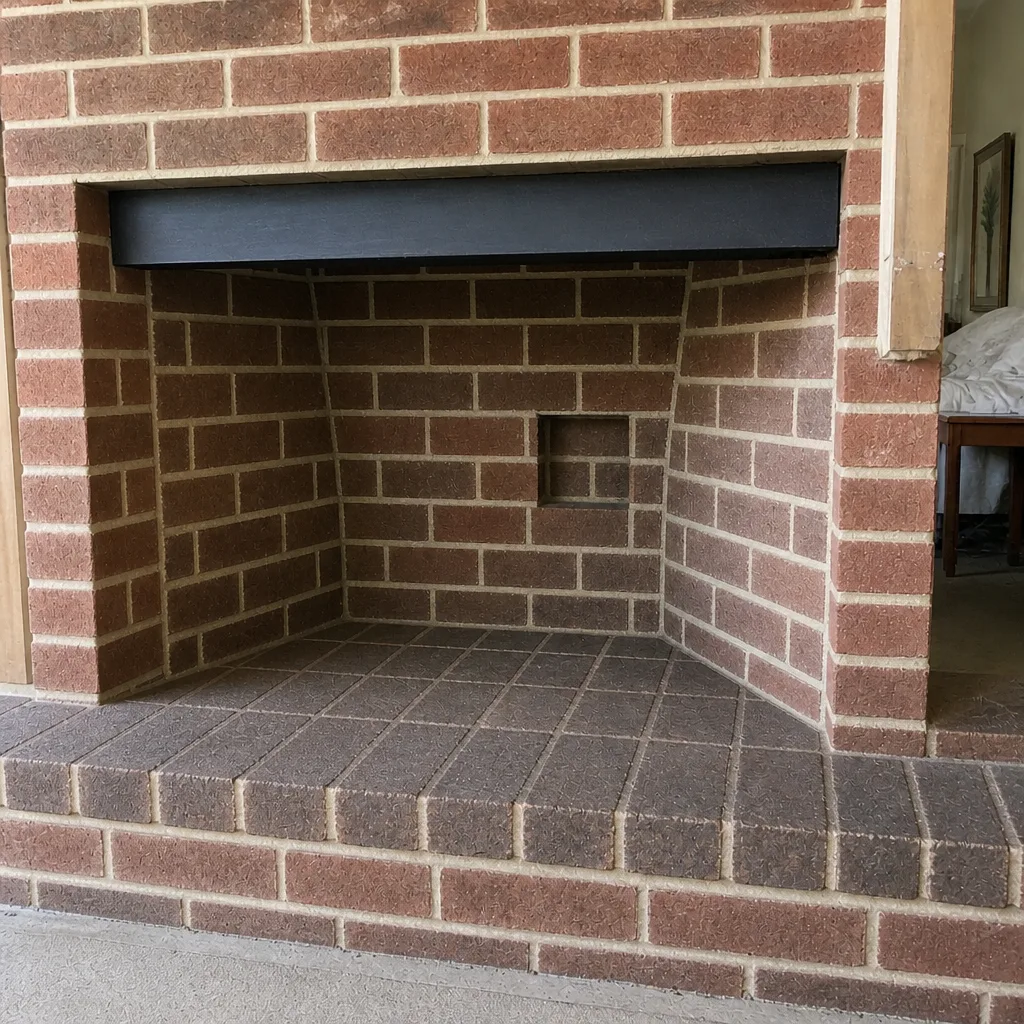
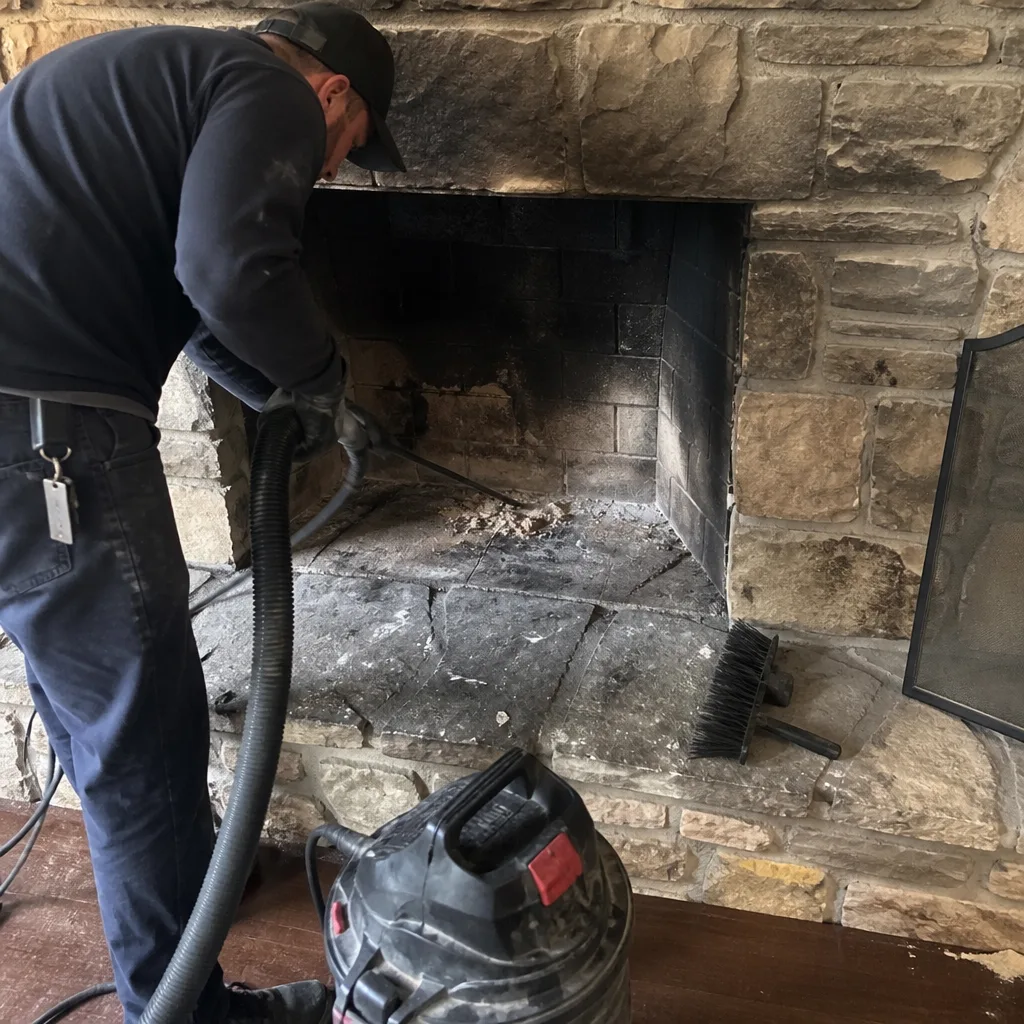
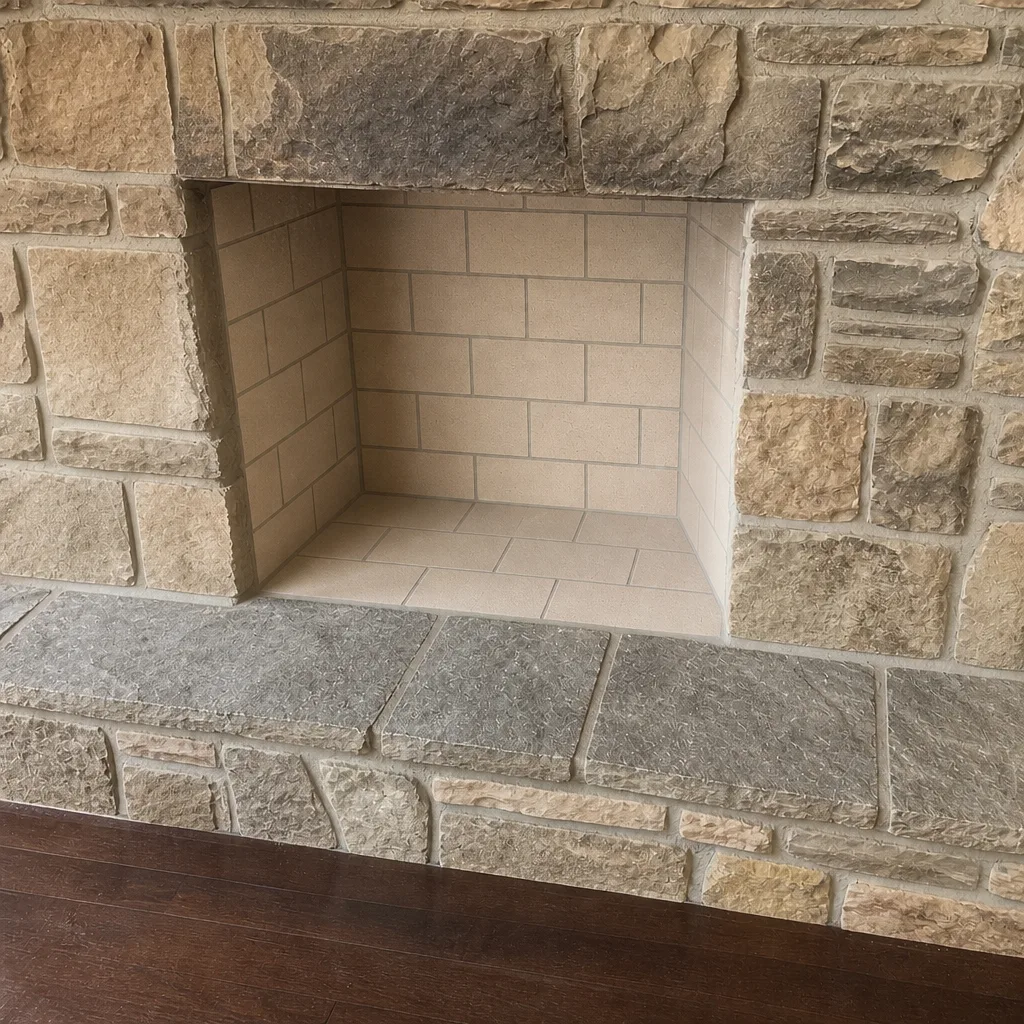
See the difference
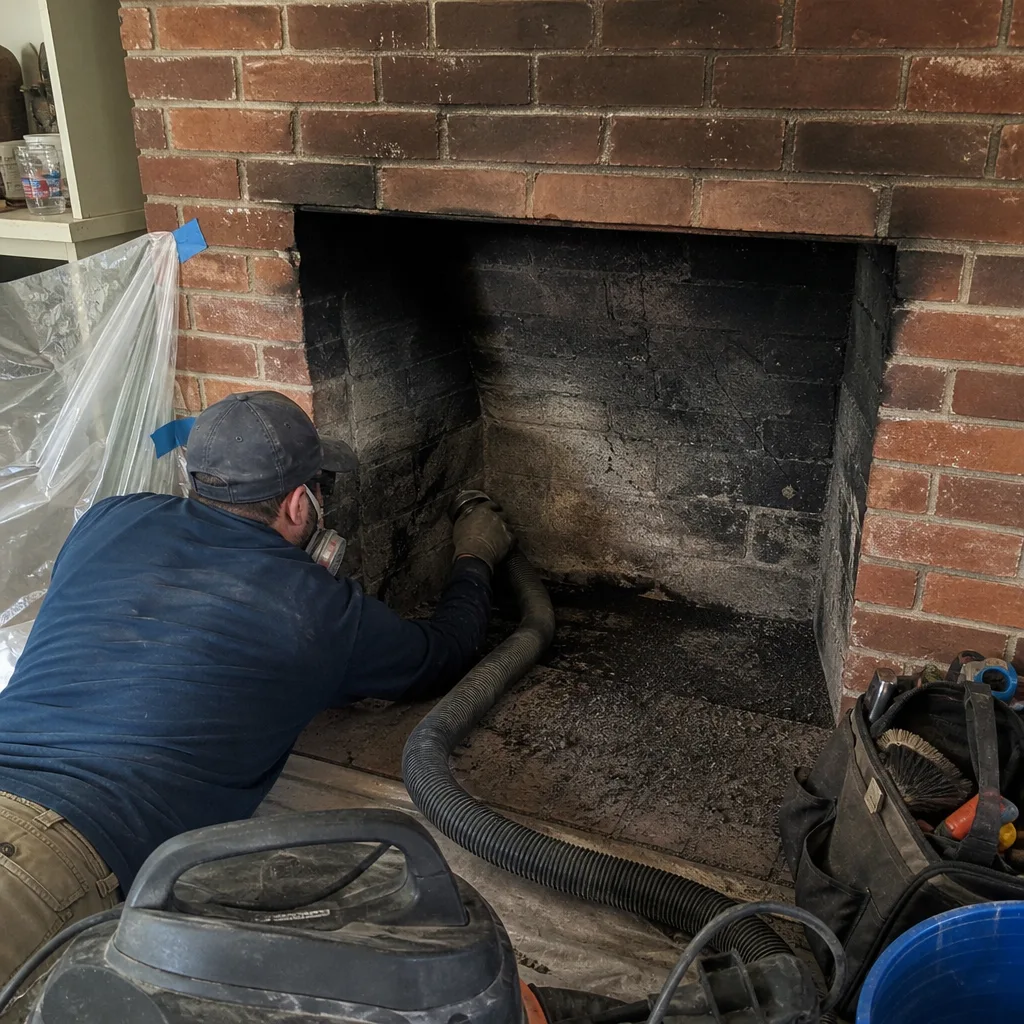 Before
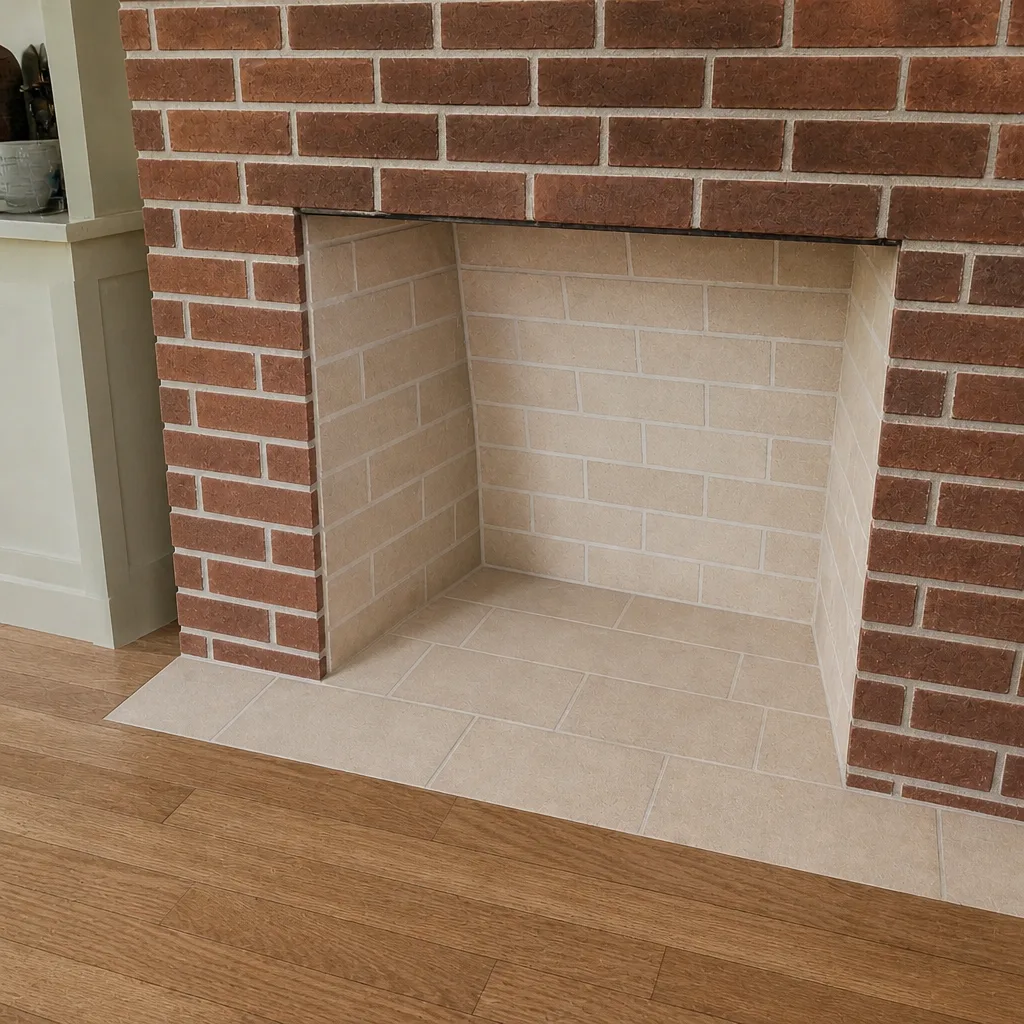 After
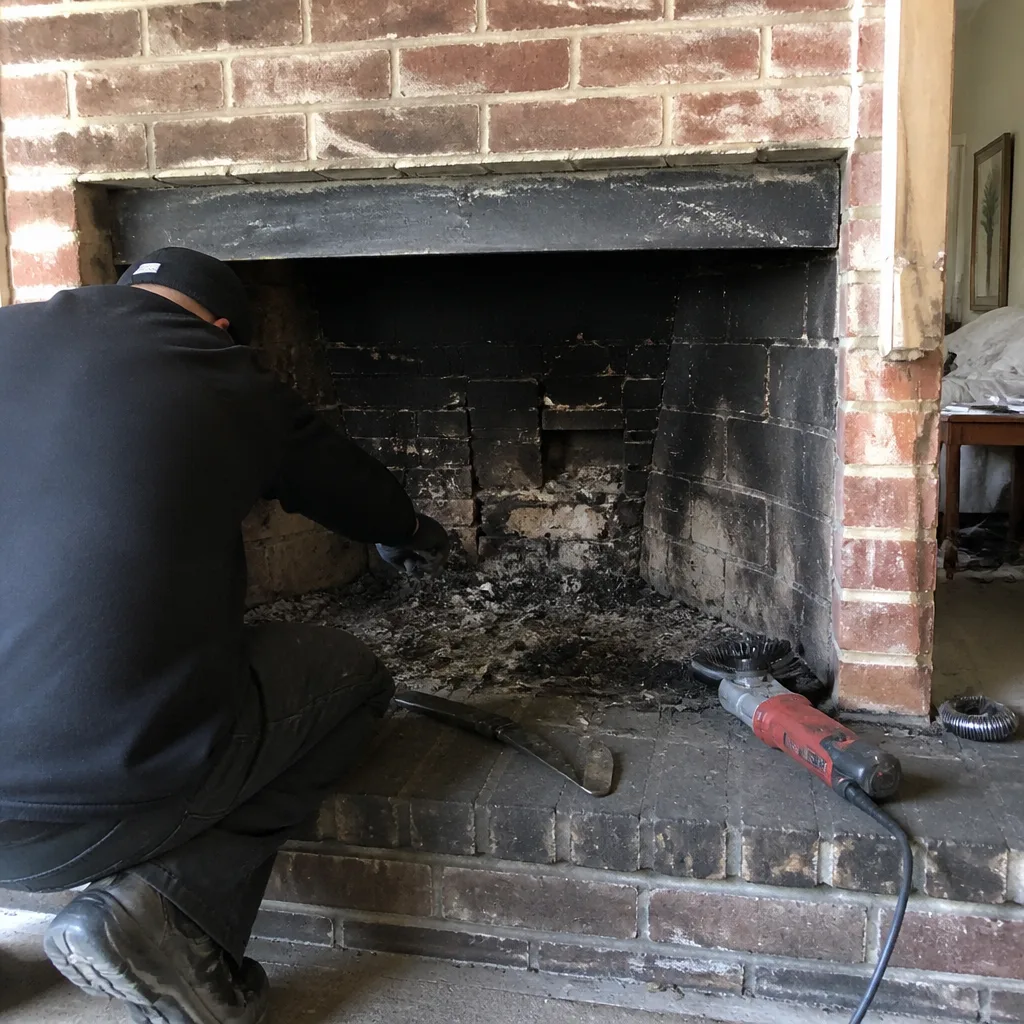 Before
 After
 Before
 After
When to Call a Professional
Call a professional sweep service if you haven’t had the chimney examined in the past year, if you notice creosote buildup that looks more than a thin film, if you smell smoke in the house when the fireplace is running, or if any visible cracks appear in the firebox or the exterior masonry. Call immediately if you’ve had a chimney fire, however small, because even a contained fire can damage the liner in ways you can’t see. When you’re buying a home in Northeast Raleigh, a Level 2 inspection before closing is cheap insurance. And when a repair is quoted, ask for the permit question to be answered in writing. Chimney Sweep Northeast Raleigh offers free estimates in Northeast Raleigh. Call (855) 726-7508. We answer 24/7. Fast dispatch from 7am to 7pm, Sunday through Friday.
Frequently Asked Questions
No. Routine chimney sweeping is maintenance and doesn’t require a permit from Wake County. Permits enter the picture when the cleaning uncovers a repair that alters the venting system, such as relining a flue or rebuilding a firebox. Call (855) 726-7508 for a free estimate if you’re unsure which side of that line your job falls on.
In most cases, yes. Replacing a flue liner with a stainless system or a HeatShield restoration liner changes the material of the flue and is treated as an alteration to the venting system, which generally requires a mechanical permit from Wake County. A licensed chimney professional should be able to explain the basis for their permit answer when quoting the work. Call (855) 726-7508 with your scope and we’ll walk through what a permit application typically involves.
A Level 1 inspection is a visual check of the readily accessible portions of the chimney during routine service. A Level 2 adds a camera inspection of the flue interior and is required by NFPA 211 for real estate transactions, appliance changes, and after a chimney fire. A Level 3 goes further and opens concealed areas, typically after a known hazard has been identified. Most Northeast Raleigh homeowners need Level 2 documentation for insurance, sale, or permit purposes. Call (855) 726-7508 to book one.
NFPA 211 is the national standard for chimneys, fireplaces, vents, and solid fuel appliances, and the NC Residential Code references it for detail the code itself doesn’t spell out. When a chimney company says they follow NFPA 211, that’s a specific claim about how they inspect, clean, and reline to a documented standard. It’s worth asking for the report that demonstrates it. Call (855) 726-7508 for the full scope.
You can, but it often complicates the sale. A buyer’s home inspector may flag an unpermitted liner, which can trigger renegotiation, or a permit being pulled after the fact. Getting a Level 2 inspection report before listing gives you documentation of condition to work from. Call (855) 726-7508 for a pre-listing inspection and we’ll tell you exactly what’s on record and what isn’t.
The finding gets documented with photos and measurements, and the fix is scoped as either a repair (clearance shielding, commonly) or an alteration (re-framing, requiring a permit). Whether you’re legally obligated to fix it depends on how the violation came to exist and, if you’re selling, on your disclosure obligations. Clearance failures should be addressed before the chimney is used again regardless. Call (855) 726-7508 for a free estimate on the repair scope.
The Bottom Line
Sweeping your chimney in Northeast Raleigh doesn’t need a permit. Repairing or altering the chimney system often does, and knowing the difference protects you at resale, at insurance-claim time, and when you hire a contractor. The NC Residential Code and NFPA 211 together define what a compliant chimney system looks like. A Level 2 inspection is the record that ties your chimney’s condition to that standard. Get the inspection before you need it, ask the permit question in writing, and keep the paperwork. If your chimney needs a sweep, a repair, a new cap, a rebuilt crown, or a damaged flue that could be restored rather than relined, we work with contractor-grade materials from brands like DuraFlex, HeatShield, Olympia Chimney, and Copperfield and handle the whole scope with one company. Call (855) 726-7508 for a free estimate and we’ll start with the inspection.
Written by the team at Chimney Sweep Northeast Raleigh.