
Last updated November 23, 2026
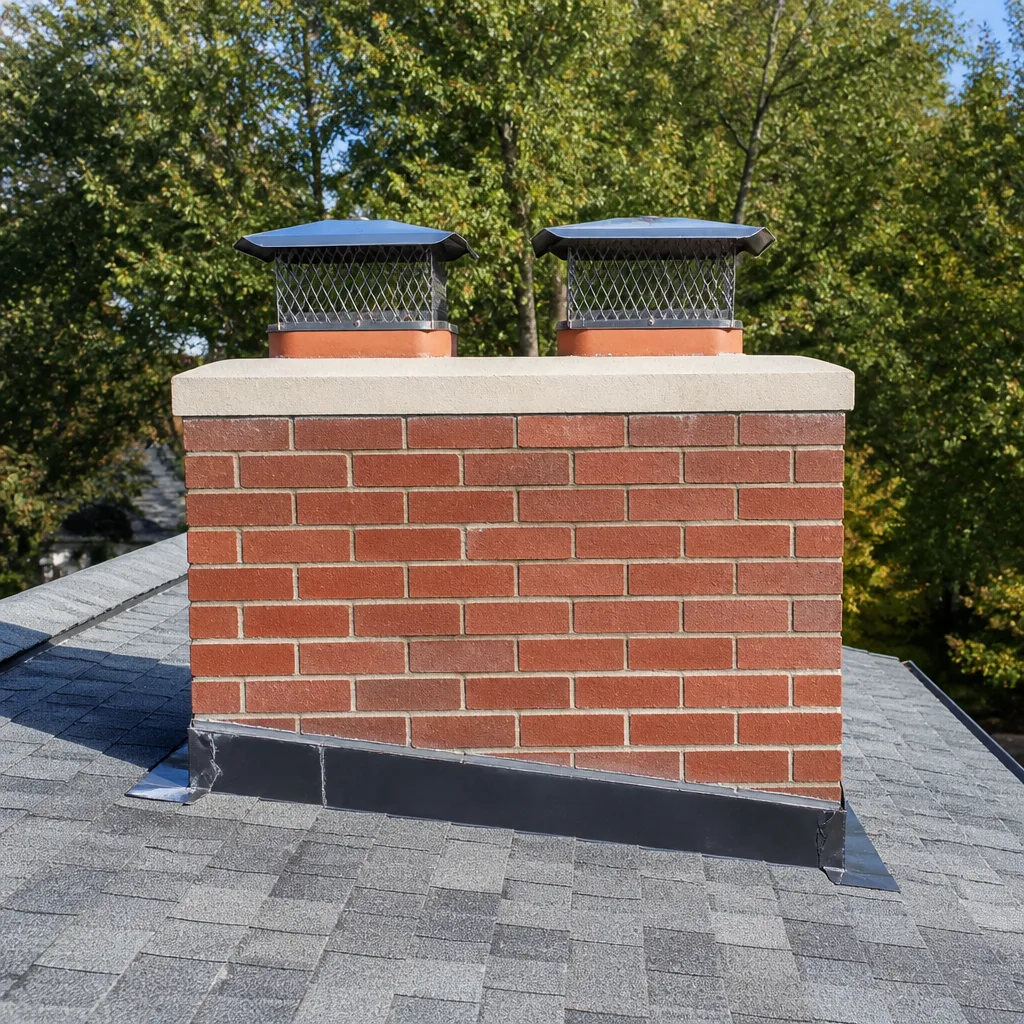 Sweep & inspection
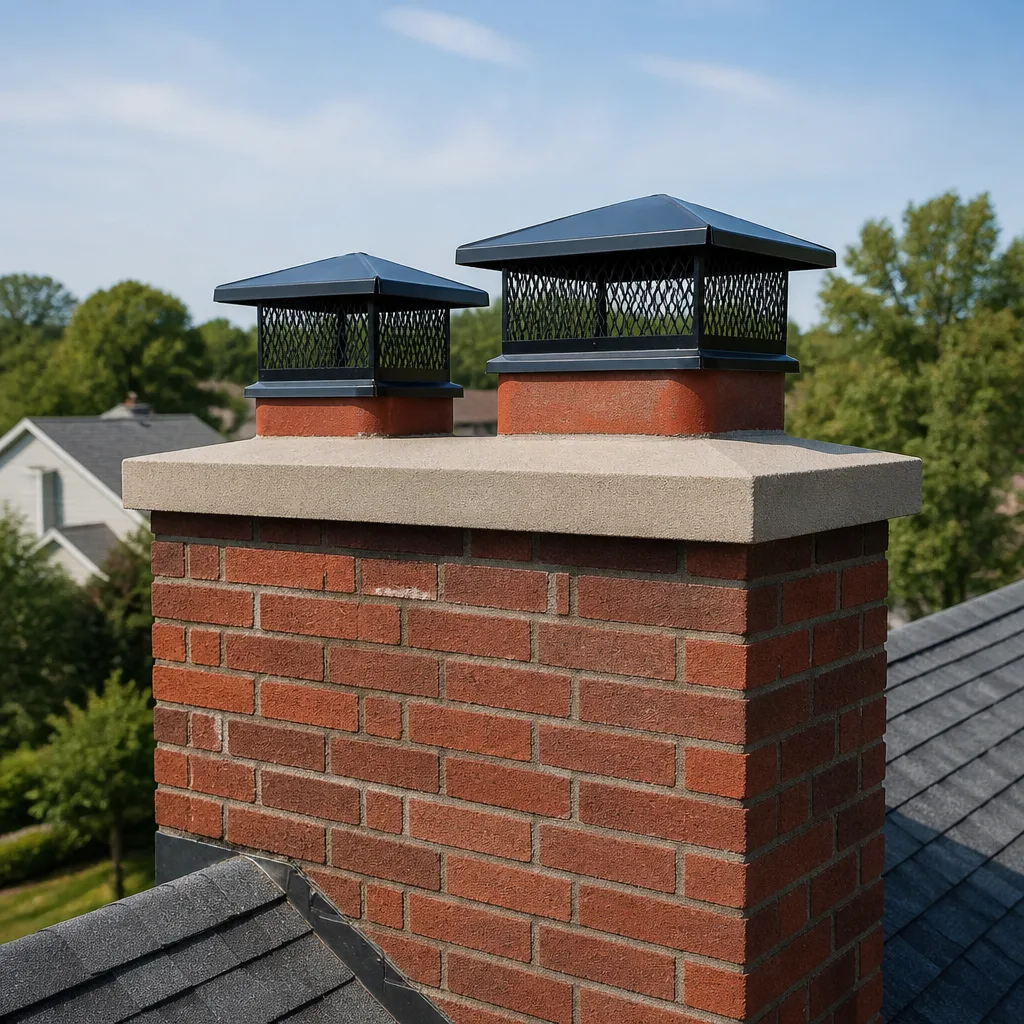 Caps & crowns
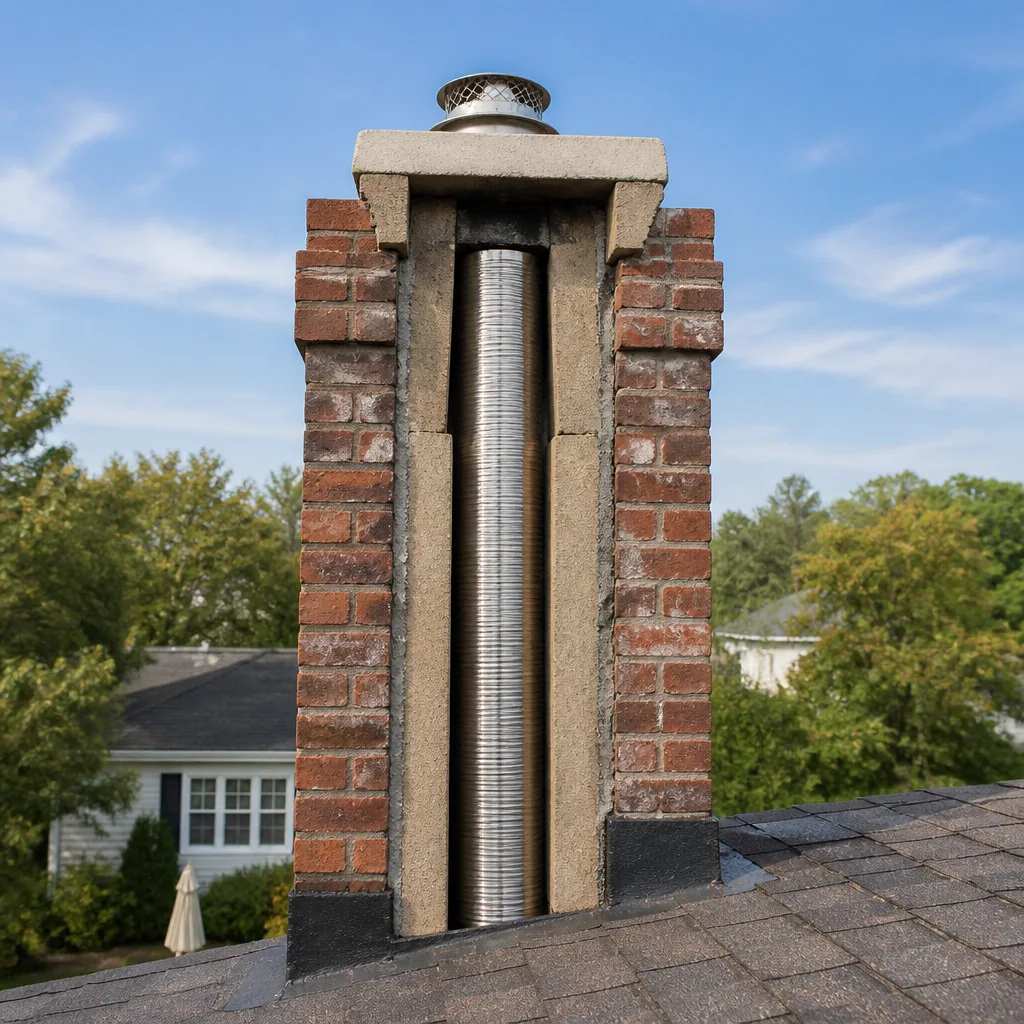 Flue relining
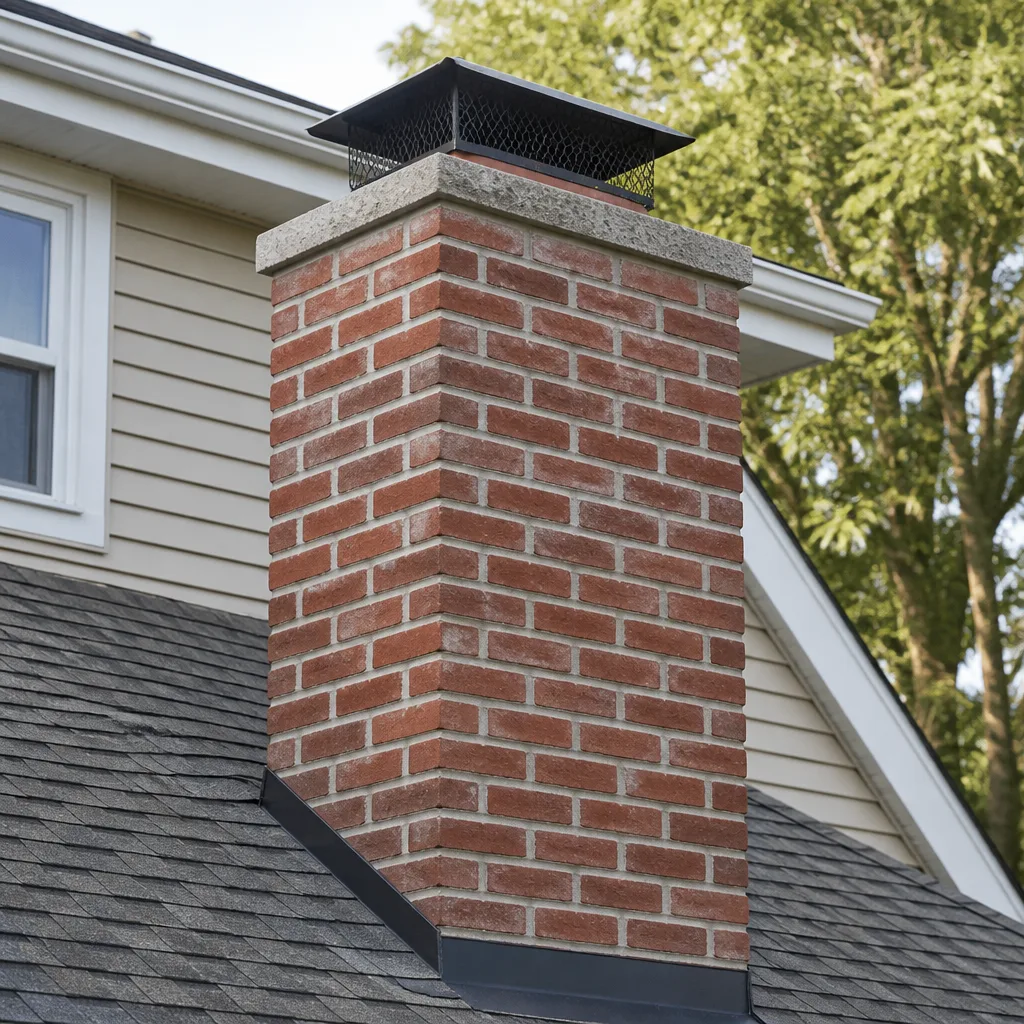 Masonry repair
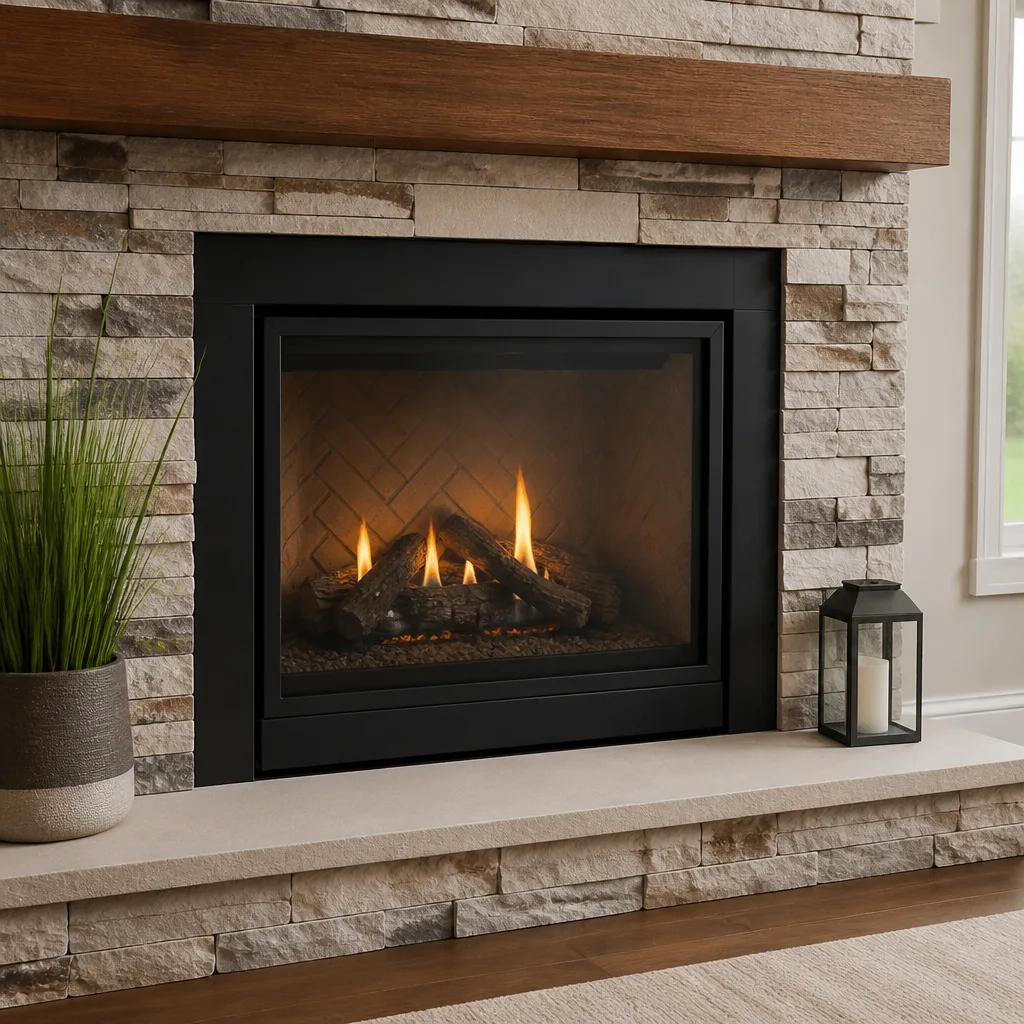 Gas fireplace service
Level 1 sweep and inspection to the NFPA 211 annual standard - flue, crown, cap, and flashing checked and photographed
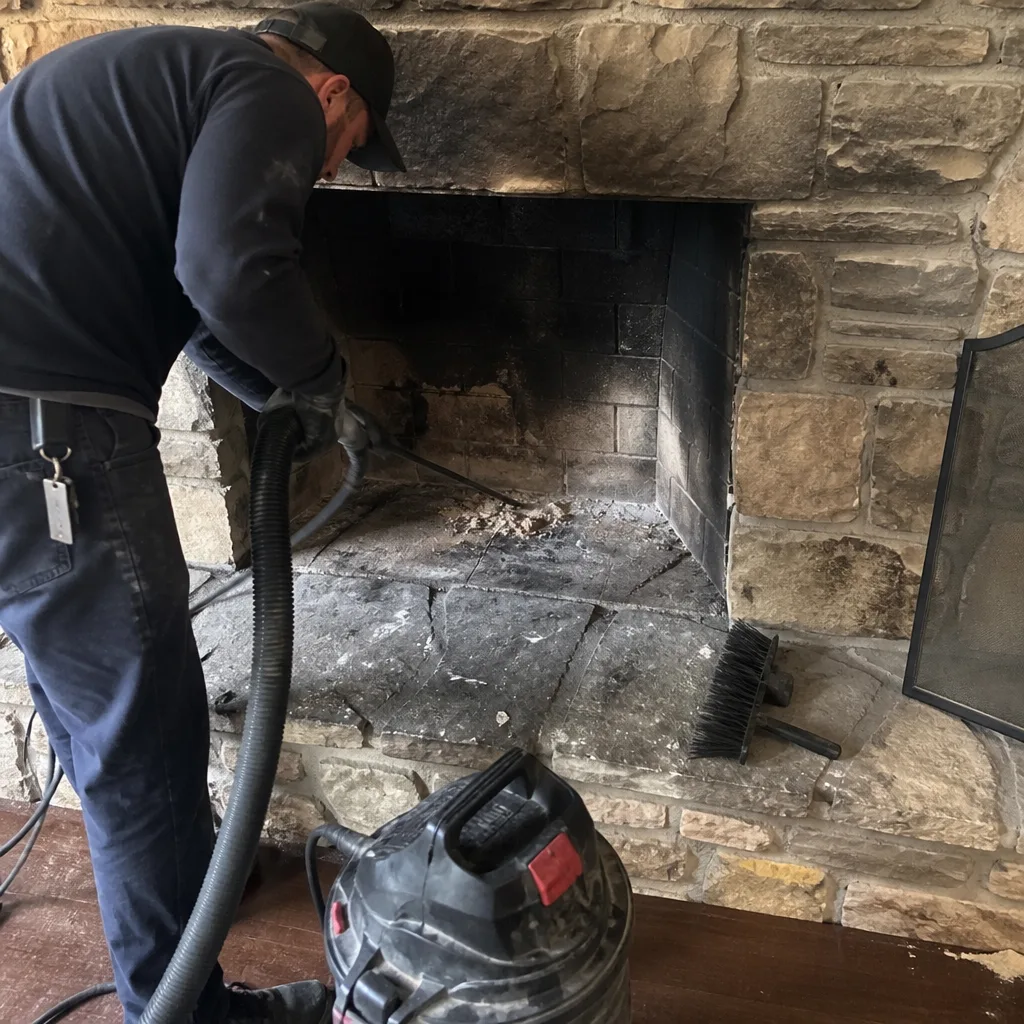
Chimney sweep logs do not sweep chimneys. They loosen some creosote - which then falls where a brush and vacuum still have to collect it.
Seasonal Chimney Cleaning Care for Northeast Raleigh: Year-Round Homeowner’s Guide
September is the month most Northeast Raleigh homeowners think about their chimney, and it’s the wrong month to think about it for the first time. The problems that show up in September – soft mortar, rusted dampers, nesting debris, a crown that cracked in February – started months earlier, quietly, while the fireplace sat cold. An unswept or uninspected flue doesn’t wait for autumn to deteriorate in a humid Piedmont climate. This guide walks through all four seasonal risk windows in Northeast Raleigh, what actually happens inside a chimney in each one, and how to time sweeping, inspection, and repair so you’re not paying for a catch-up job every fall.
Quick Answer
Chimney cleaning in Northeast Raleigh works best on a two-visit rhythm: a post-heating-season inspection and sweep in spring (March-May), and a pre-season sweep and inspection in fall (September-November) before the first fire. Summer is the season to catch nesting and water intrusion, and winter is when you watch your burning habits for creosote buildup. One annual sweep in September misses the moisture and nesting problems that develop between March and August in this climate.
Styles & brands we work with
- Sweep & inspection
- Caps & crowns
- Flue relining
- Masonry repair
- Gas fireplace service
Table of Contents
- Spring: Catching Winter Moisture Damage Before Summer
- Summer: Nesting, Swifts, and the Empty Flue
- Fall: The Correct Pre-Season Sequence
- Winter: Mid-Season Inspection Triggers
- Why Northeast Raleigh Humidity Changes Your Service Calendar
- The Annual Rhythm: A 12-Month Schedule
- Common Mistakes to Avoid
- When to Call a Professional
Spring: Catching Winter Moisture Damage Before Summer
Spring is the most overlooked chimney season in Northeast Raleigh, and it’s the one that protects your wallet. Between March and May, the heating season ends and the flue goes quiet. That’s exactly when water that got in during winter – through a cracked crown, a missing or loose cap, or failed flashing where the chimney meets the roof – begins its slow damage to the mortar joints inside the flue. In a dry climate, that moisture evaporates. Here, it sits. The flue stays damp through the humid summer, and mortar joints soften, spall, and eventually lose their grip on the liner tiles or the masonry around them.
A spring inspection after the heating season catches the crack before the season of humidity gives it three months to work. What we look at in a spring visit:
- The crown. The top slab of concrete around the flue. Hairline cracks open with winter freeze-thaw, and a cracked crown is the single most common path for water to enter a chimney. If yours is failing, a properly built crown using purpose-made components like Gelco or Famco addresses the root cause rather than patching symptoms.
- The cap and spark screen. Winter storms loosen caps and tear screens. A missing cap means rain goes straight down the flue, and it also means birds and animals have an open door all summer.
- The flashing. The metal seal where the chimney passes through the roof. Spring is the season to catch a lifted edge before summer storms push water behind it.
- The firebox and damper. Winter burning leaves ash, and a damper left open or rusted shut affects draft all year. A warped damper or cracked firebox brick is a fireplace repair issue that gets worse through the off-season.
A spring inspection isn’t about selling you work you don’t need. It’s a diagnostic step. If the crown is sound and the flue is dry and clean, the honest answer is that your chimney can wait until fall. If there’s water intrusion, spring is the cheapest season to fix it, before summer humidity turns a small crack into a mortar restoration job.
Summer: Nesting, Swifts, and the Empty Flue
The chimney you didn’t use all summer is not an empty chimney. In Northeast Raleigh, an uncapped or loosely capped flue is a prime nesting site from May through August. Starlings and sparrows drop twigs, grass, and debris into the flue. Squirrels find their way in. And chimney swifts, a protected migratory species common across North Carolina, nest in masonry chimneys from roughly April through August. Swifts are federally protected under the Migratory Bird Treaty Act, which means you can’t legally remove an active nest. That has real service implications: if you discover swifts in your flue in June, the practical answer is to wait until they fledge and leave before any cleaning or repair happens. That wait is why scheduling a summer check is useful – it tells you whether the flue is clear or occupied, so you plan the fall sweep around it rather than discovering the problem in September when every neighbor is also booking.
The summer moisture story matters just as much. Northeast Raleigh’s relative humidity averages in the 65-70% range through the warm months. That’s enough to keep masonry and liner surfaces damp, which accelerates the deterioration of a clay flue liner that already has cracks from years of thermal cycling. A summer inspection gives you the chance to catch a hairline flue crack before the humid season drives moisture into the adjacent masonry. If the liner is cracked but the structure around it is intact, Chimney Sweep Northeast Raleigh technicians can often apply HeatShield resurfacing to restore the flue interior without a full tear-out. HeatShield is a proprietary liner restoration system, and it’s the kind of repair a sweep-only company can’t perform – they can clean a flue, but they can’t restore it. Catching liner deterioration in summer rather than after a chimney fire is the entire point of the visit.
Fall: The Correct Pre-Season Sequence
September through November is when Northeast Raleigh books its chimney work, and the most common mistake is doing the steps in the wrong order. The correct pre-season sequence is sweep first, inspect second, repair before first use, not after.
- Sweep first. You can’t inspect a flue properly until the soot and creosote are removed. Cleaning first means the inspector sees the actual liner surface, not a film of residue that can hide a crack. A professional chimney sweep uses a camera to look up the flue after the brush pass and produce a photo report you can see for yourself.
- Inspect second. A proper inspection is a diagnostic step, not an upsell formality. It covers the firebox, damper, smoke chamber, flue liner, crown, cap, and flashing. It tells you what’s sound, what’s marginal, and what needs repair before the first fire.
- Repair before first use, not after. Any crack in the liner, any failed crown, any loose cap needs to be fixed before you light a fire. A crack in the flue allows heat and gases – including carbon monoxide – to escape into the structure of the house. That’s the safety reason the order matters. Doing the repair after the first fire is doing it too late.
- Cap and crown check last, but before first use. If your cap is missing or your crown is cracked, the repair belongs in the same pre-season window. A cap and crown installed with purpose-built components such as Gelco or Famco is your chimney’s first line of defense against water.
If you’re not sure whether your chimney needs a fall sweep at all, the honest test is how much you burned last season and what wood you used. A household that burned two cords of well-seasoned hardwood and saw light, powdery soot will need less attention than one that burned greener wood and produced sticky, glazed creosote. The sweep tells you which one you are. And if the flue is sound and clean, we’ll tell you so – nothing is recommended without camera evidence you can review yourself.
Winter: Mid-Season Inspection Triggers
Your burning pattern between December and February tells you a lot about what’s happening inside the flue. A chimney doesn’t need re-sweeping mid-season if nothing changes – but several triggers do warrant a mid-season look. In Northeast Raleigh, the most common winter triggers are:
- Switching to green or unseasoned wood. Unseasoned wood burns cooler and produces far more creosote than seasoned hardwood. If you ran out of dry wood in January and started burning wet wood, the buildup rate changes. Glazed, shiny creosote is late-stage creosote, and it’s a chimney fire risk.
- Burning much more often. A cold snap that pushes you from three fires a week to a fire every evening doubles the deposit rate. Frequency matters as much as fuel quality.
- A faint smoky smell in the house. That’s a draft problem or a blocked flue, not just a quirky fireplace. It needs a look before the next fire.
- A chimney fire. A chimney fire can sound like a low roar or a rumble, or it can be silent and go unnoticed. Any suspicion of a fire means stopping use and getting an inspection – the flue may be cracked from the heat, and a crack is a carbon monoxide path into the living space.
- New staining or efflorescence on the exterior masonry. White powdery staining means moisture is moving through the masonry. In winter, that’s often a sign the crown has failed and water is getting in behind it.
A mid-season look doesn’t have to be a full service. If the burning changes, call and ask whether your usage pattern warrants a check. A camera inspection and photo report tell you whether the flue is safe for the rest of the season or whether you should stop burning until a repair is done.
Why Northeast Raleigh Humidity Changes Your Service Calendar
Northeast Raleigh sits in the Piedmont, and the warm-season relative humidity averages around 65-70%. That single fact reshapes the chimney service calendar compared to a dry climate. In a dry climate, a small crack in a flue liner or a hairline crack in the crown is a slow problem – moisture doesn’t linger, and masonry has time to dry between rain events. In Northeast Raleigh, once moisture gets into a chimney, it stays. The masonry wicks moisture up and holds it through the summer, and the same humid air suppresses evaporation even in fair weather. What that means practically:
- Inspect after the wet season, not just before it. Spring inspection catches the water intrusion that winter delivered. A fall-only schedule leaves the entire humid season unobserved.
- Cracked flue liners deteriorate faster here. Moisture plus thermal cycling breaks down clay flue tiles more quickly in a humid climate. That’s the practical reason some Northeast Raleigh homes with a cracked liner are candidates for HeatShield resurfacing rather than a full liner replacement – the deterioration is caught earlier and at a stage that resurfacing can address.
- A sound cap and crown is a bigger deal here. The leading cause of chimney water damage is a failed crown or missing cap. In a humid climate, water damage that starts at the top gets 6 to 8 months of damp weather to spread. A durable crown using contractor-grade components from a brand like Copperfield or Famco closes that door.
- Weathered masonry shows its age faster. Mortar joints in Northeast Raleigh’s humidity should be inspected annually. Softened joints are easiest and cheapest to catch before summer.
Humidity changes the inspection rhythm, not the core advice. One well-timed sweep every year, plus a spring look at the top of the chimney, is more effective in this climate than two sweeps in the autumn.
The Annual Rhythm: A 12-Month Schedule
Here’s the full-year schedule we recommend for most Northeast Raleigh homeowners who use their fireplace regularly. It assumes no existing liner or masonry problems, and the annual spring inspection is what confirms whether that assumption still holds.
- March, right after the last fire. Book the post-season sweep and inspection. Ask for the camera report and photo documentation before you approve any repair. Check the crown, cap, and flashing from the ground after the inspection.
- April to May. Any repair identified in March gets done. A crown rebuild, a cap replacement, or a flashing repair before summer humidity arrives saves the most money and prevents the most damage.
- June to August. If the flue is capped and sound, do nothing. If the cap came loose or you suspect birds or swifts are in, get a summer look. Watch for water stains on the masonry or a draft smell after rain.
- September to November. Sweep and inspect before the first fire. Repair any issue the inspection turns up. Replace a missing cap. Never light the first fire until the fall inspection is complete and any repair is finished.
- December to February. Monitor your burn patterns. If you switch to unseasoned wood or burn more often than usual, book a mid-season inspection. If you suspect a chimney fire, stop using the chimney and get an inspection.
If your chimney is damaged and you’re wondering whether any of this work can safely wait, the answer depends on what the inspection finds. A hairline crack in the crown or flue is a spring project. A cracked flue liner, a missing cap, or a warped damper is a before-the-next-fire project. Nothing is recommended without camera evidence you can see for yourself, and if the chimney is sound, we’ll say so.
Common Mistakes to Avoid
- Scheduling only in September. A single pre-season sweep catches fall issues but leaves spring moisture, summer nesting, and mid-season creosote buildup without a look. The humid summer in Northeast Raleigh is exactly when a neglected water intrusion does its most serious damage.
- Skipping the post-season spring inspection. Most homeowners stop thinking about the flue the moment the last fire is out. That’s the month when water intrusion from winter is freshest and cheapest to address, before it has all summer to soften mortar.
- Assuming the flue is empty in summer. Swifts, starlings, and squirrels use uncapped flues freely, and swifts are protected. Inspecting in early summer tells you whether the flue is available before you book the fall sweep.
- Repairing after the first fall fire. Sweep first, inspect second, repair before the first fire. Reversing the order means flames have already run through a compromised flue by the time you fix it.
- Treating a missing cap as cosmetic. A missing or loose cap is the number-one path for water into a flue. A cap and crown using Gelco or Famco components stops that damage at the source, rather than letting water in and paying to repair the resulting damage each spring.
- Burning green wood in February and ignoring the creosote. Switching fuel mid-season changes the buildup rate. If your burning pattern changes, the annual rhythm is no longer accurate for that season.
- Assuming a sweep-only invoice covers the whole chimney. A clean flue doesn’t confirm a sound crown, a working damper, or an intact liner. Ask for a camera report and photo documentation of what was and wasn’t inspected.
When to Call a Professional
Book a professional sweep and inspection if any of these apply: it’s been more than a year since your last sweep; you’re buying a home with a chimney and don’t have documentation of a recent inspection; you’ve noticed white staining on the exterior masonry; your damper sticks or doesn’t close fully; you’ve switched to unseasoned wood; you’ve had a suspected chimney fire; or you’re seeing or smelling smoke inside the house. A cracked crown, a missing cap, a failed flashing, or a cracked flue liner all need a professional – the flue and crown are dangerous to work on without training and proper equipment. Chimney Sweep Northeast Raleigh offers free estimates in Northeast Raleigh and can inspect, sweep, and repair the whole system in one visit without a handoff to another contractor. Call (855) 726-7508. We answer 24/7. Fast dispatch from 7am to 7pm, Sunday through Friday.
Frequently Asked Questions
Once a year for most households that burn regularly, with a spring inspection after the heating season and a full sweep and inspection before the first fall fire. Homes that burn green wood or burn very frequently may benefit from a mid-season look at creosote progression. Our technicians have up to 14 years of experience assessing what your specific burning pattern requires. Call (855) 726-7508 for an exact quote – estimates are free.
Because winter moisture that enters a chimney through a failed crown or missing cap does the most damage in the humid months that follow. Peach-season inspection in March through May catches the crack before summer humidity softens the mortar joints around it. In a drier climate a small crack can wait; in Northeast Raleigh’s 65-70% warm-season humidity, it can’t. Call (855) 726-7508 to book a spring inspection.
Yes. Chimney swifts are a federally protected migratory species that nest in masonry chimneys across North Carolina from roughly April through August, and an active nest cannot be disturbed. If an inspection finds swifts, the practical answer is to wait until they leave before servicing. That’s why a summer check helps – it tells you whether the fall sweep can be booked or has to wait. Call (855) 726-7508 with a question about scheduling.
It depends on the problem. A hairline crack in the crown or a missing spark screen can safely wait until spring if you don’t burn again. A cracked flue liner, a warped damper, or a failed cap should be fixed before the next fire – a cracked liner lets heat and carbon monoxide into the structure of the house. Nothing is recommended without camera evidence you can see for yourself. Call (855) 726-7508 for a free estimate and a clear answer.
Because warm-season humidity averages around 65-70%, which slows drying and keeps masonry and liner surfaces damp for months. A cracked clay liner deteriorates faster in that environment than in a dry climate, which is why annual inspection catches it while HeatShield resurfacing can still restore the flue interior – a repair option sweep-only companies can’t perform. Call (855) 726-7508 for an inspection.
Creosote keeps accumulating with each fire, and in the humid Southeast that buildup sits against a liner that’s already under moisture stress from the summer before. The risks are a chimney fire from late-stage glazed creosote and carbon monoxide leaking through a cracked liner. The safest answer is the annual sweep plus spring inspection, not a fall-only schedule. Call (855) 726-7508 for an exact quote – estimates are free.
The Bottom Line
Northeast Raleigh’s four-season climate creates four distinct chimney risk windows, and September-scheduling misses most of them. Sweep and inspect after heating season in spring to catch winter water intrusion before summer humidity works it deeper. Watch for nesting and swifts in summer, and use the empty-flue season to check for liner cracks that HeatShield resurfacing can still address. Sweep first, inspect second, and repair before the first fall fire – never after. Watch your burn patterns in winter and get a mid-season look if you switch fuel or suspect a chimney fire. A robust cap and crown from brands like Gelco or Famco protects the whole year, and a chimney that’s sound and clean should get told so honestly, with photographic evidence.
Ready to put your Northeast Raleigh chimney on a schedule that fits the climate? Call (855) 726-7508 for a free estimate. We answer 24/7. Fast dispatch from 7am to 7pm, Sunday through Friday. Our technicians have up to 14 years of experience, we work with contractor-grade materials from brands like DuraFlex and HeatShield, and we handle the sweep, the inspection, the fireplace repair, the chimney cap & crown work, and the repair under one company – one point of contact from start to finish.
Written by the team at Chimney Sweep Northeast Raleigh.
See the difference
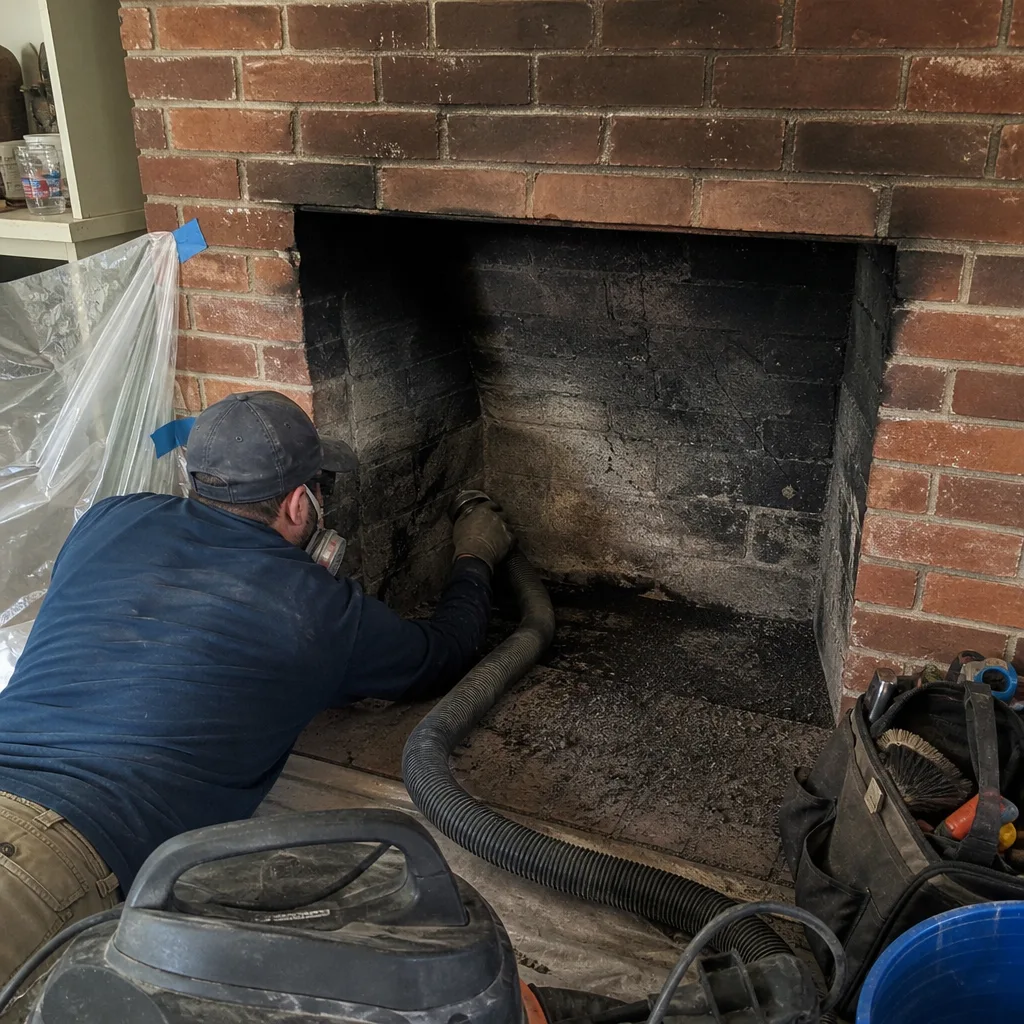 Before
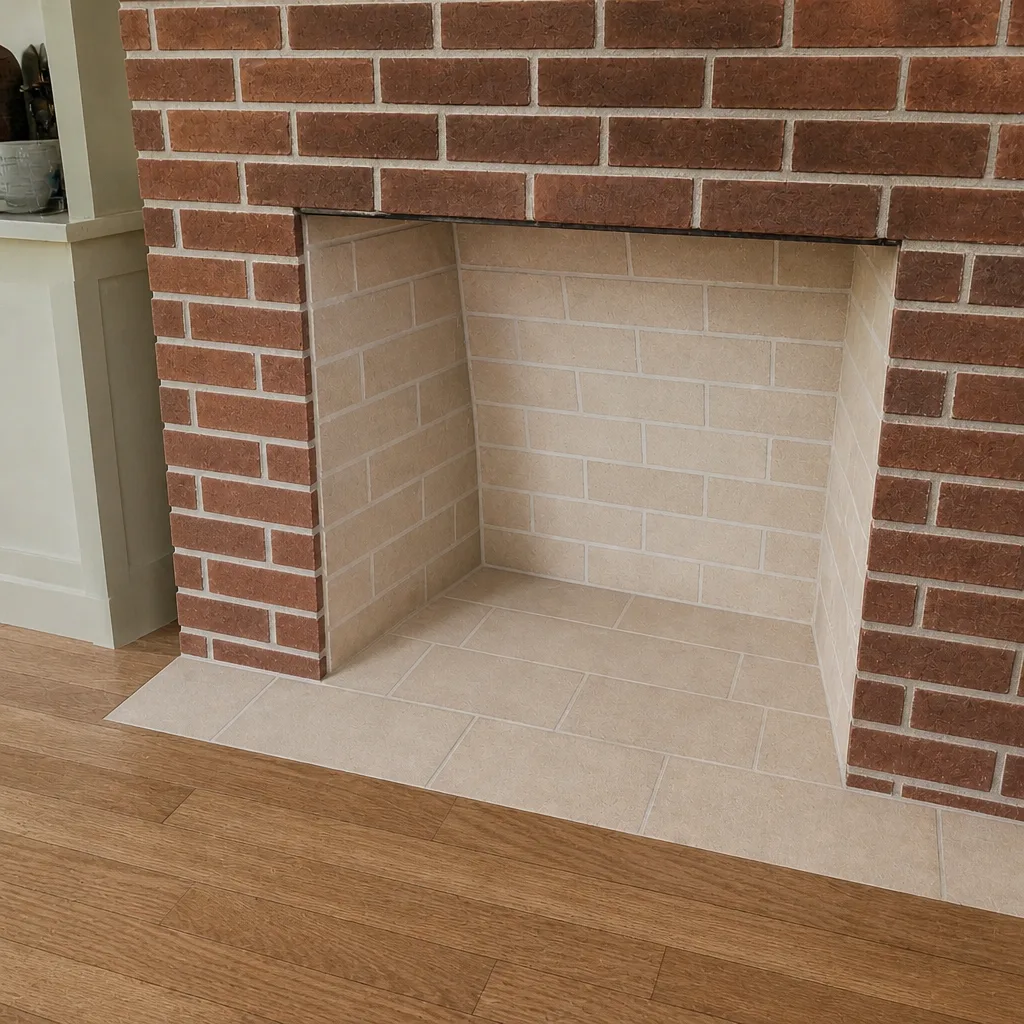 After
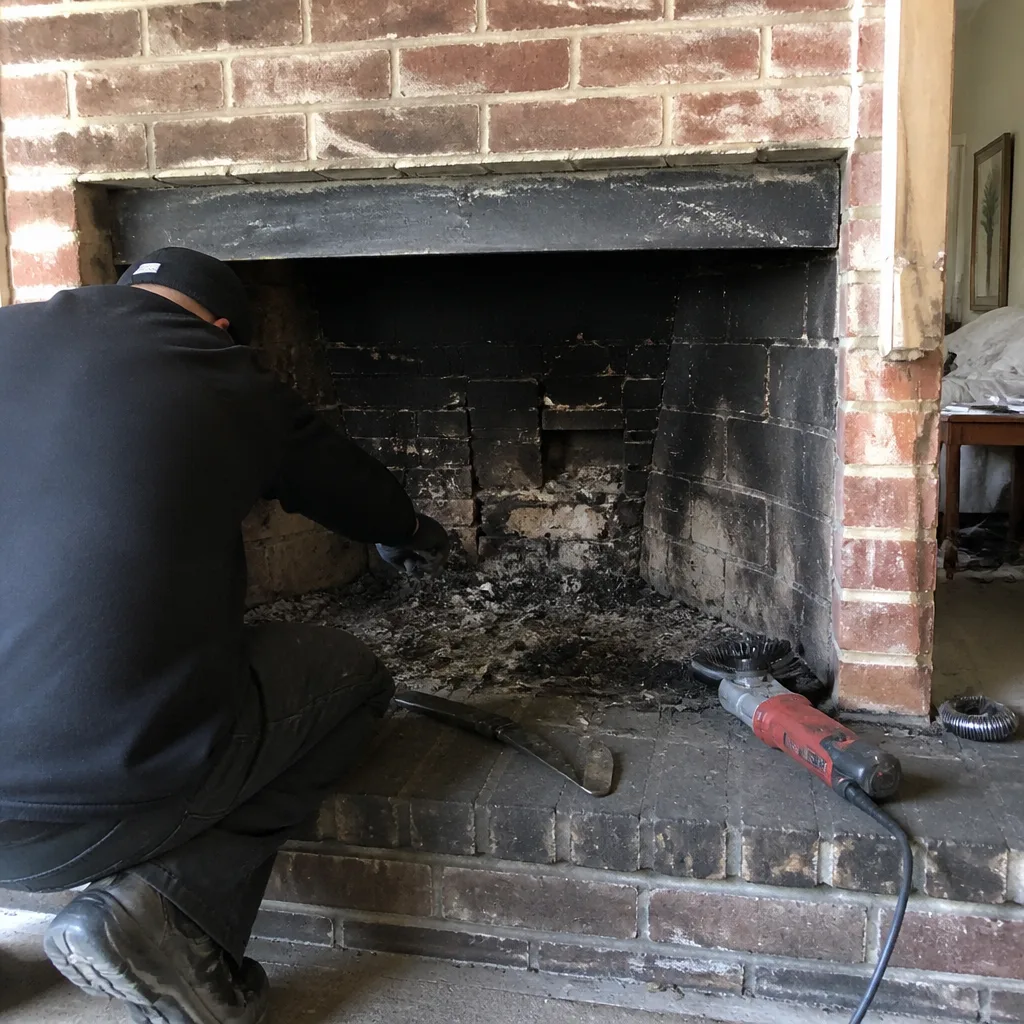 Before
 After
 Before
 After