
Last updated November 23, 2026
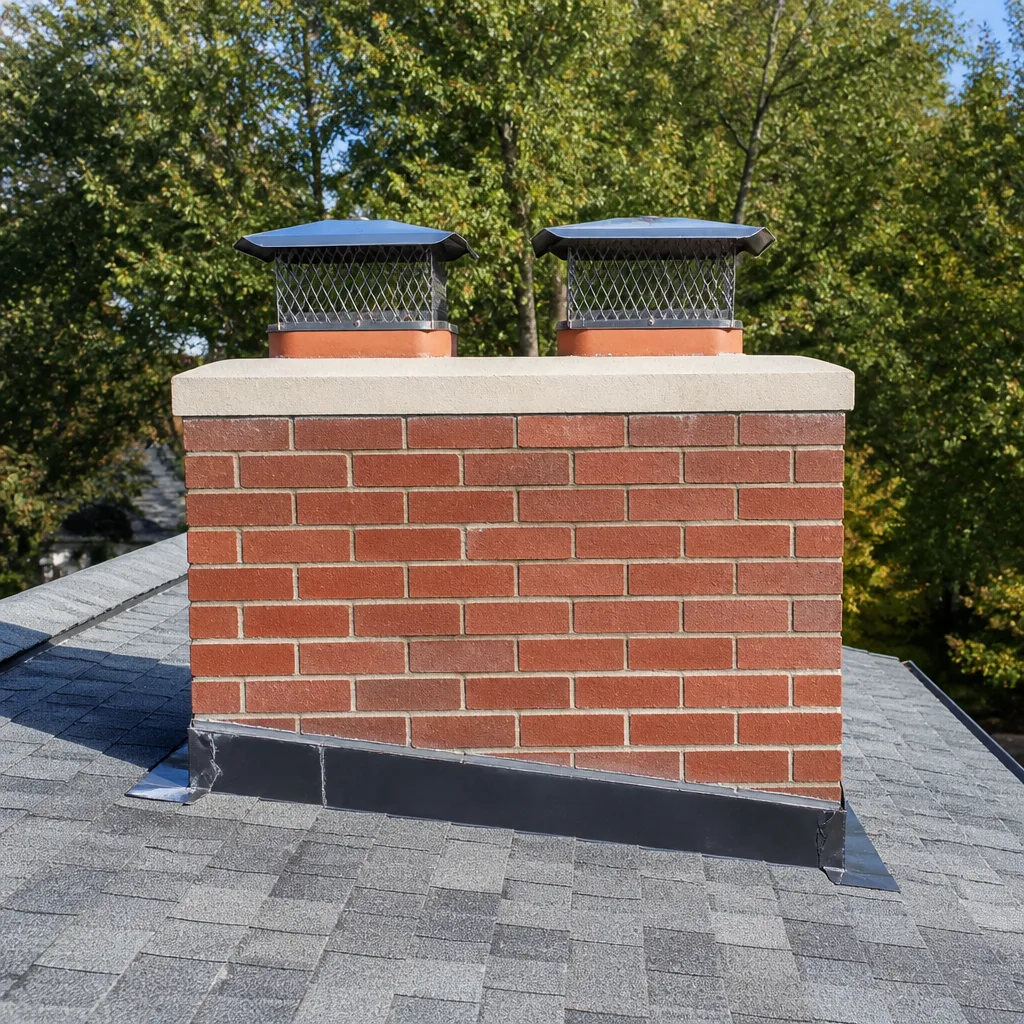 Sweep & inspection
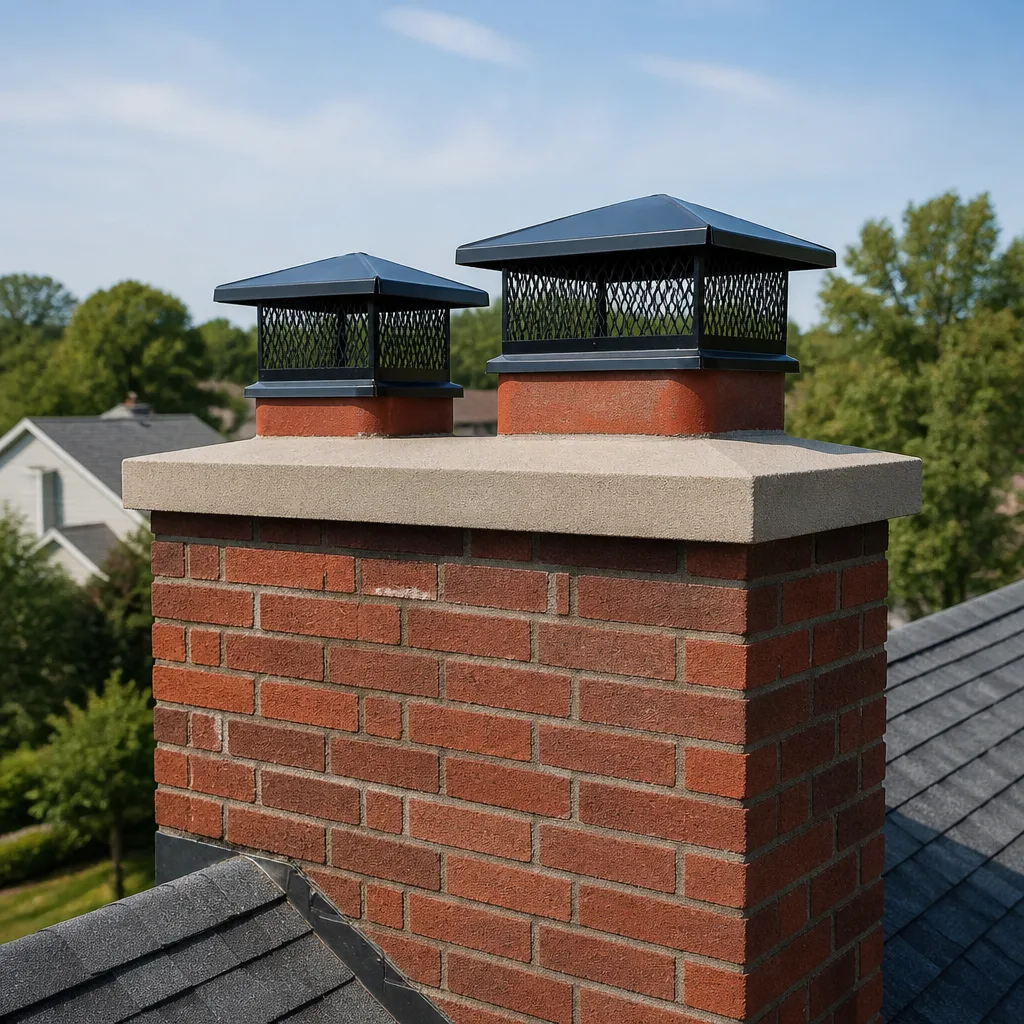 Caps & crowns
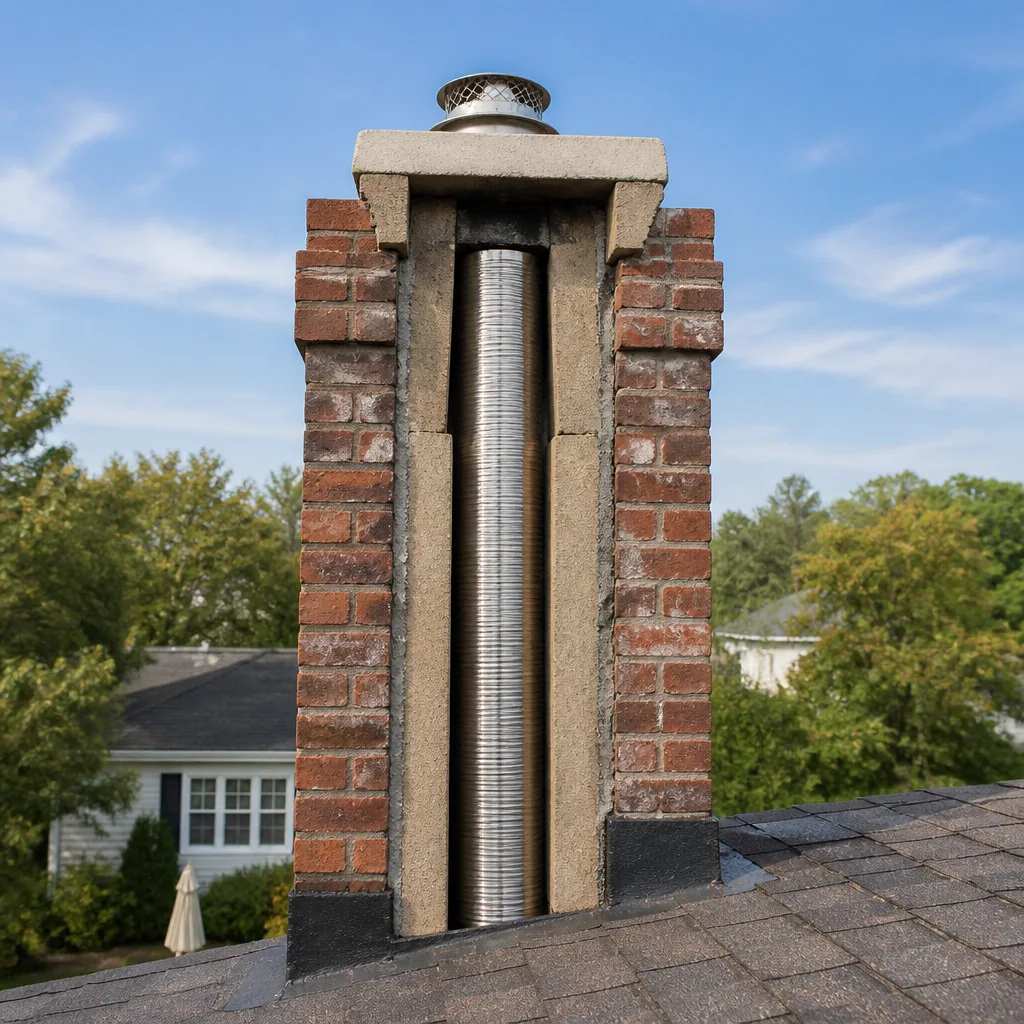 Flue relining
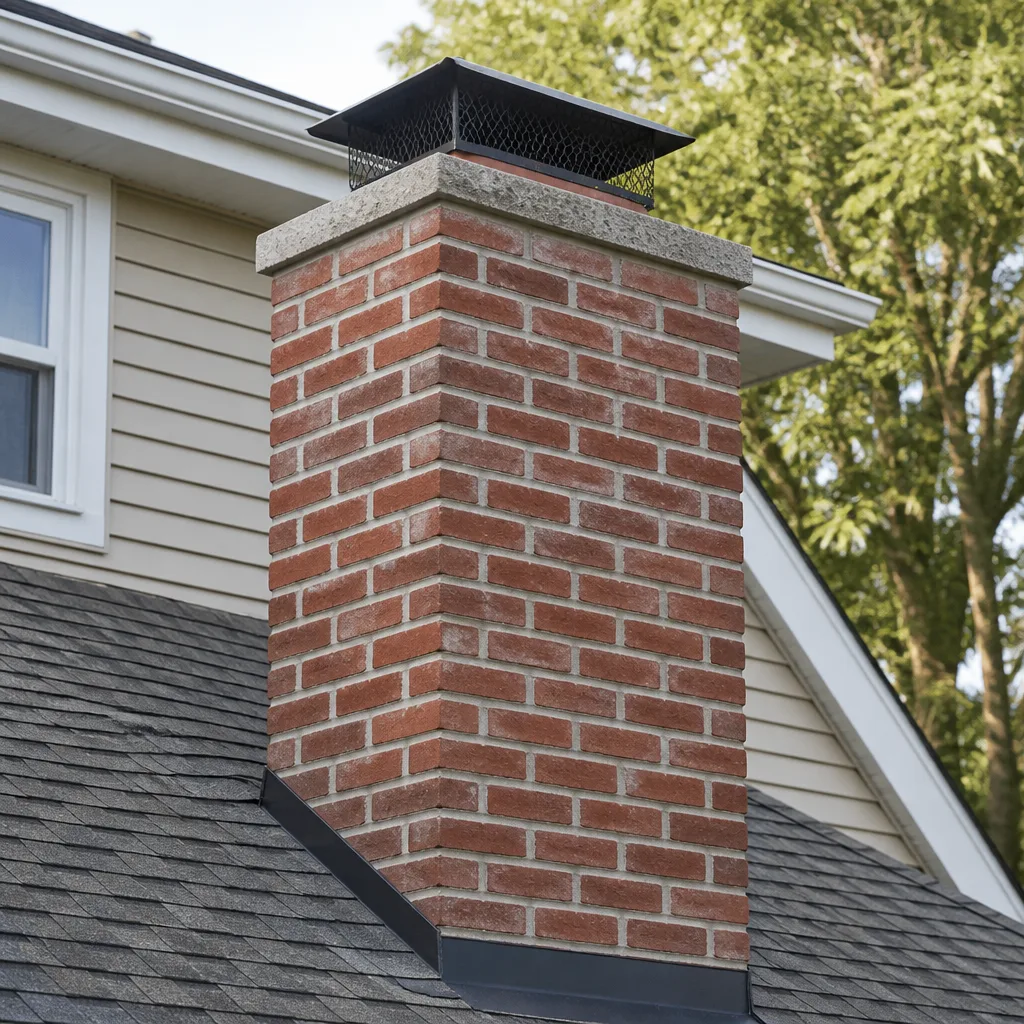 Masonry repair
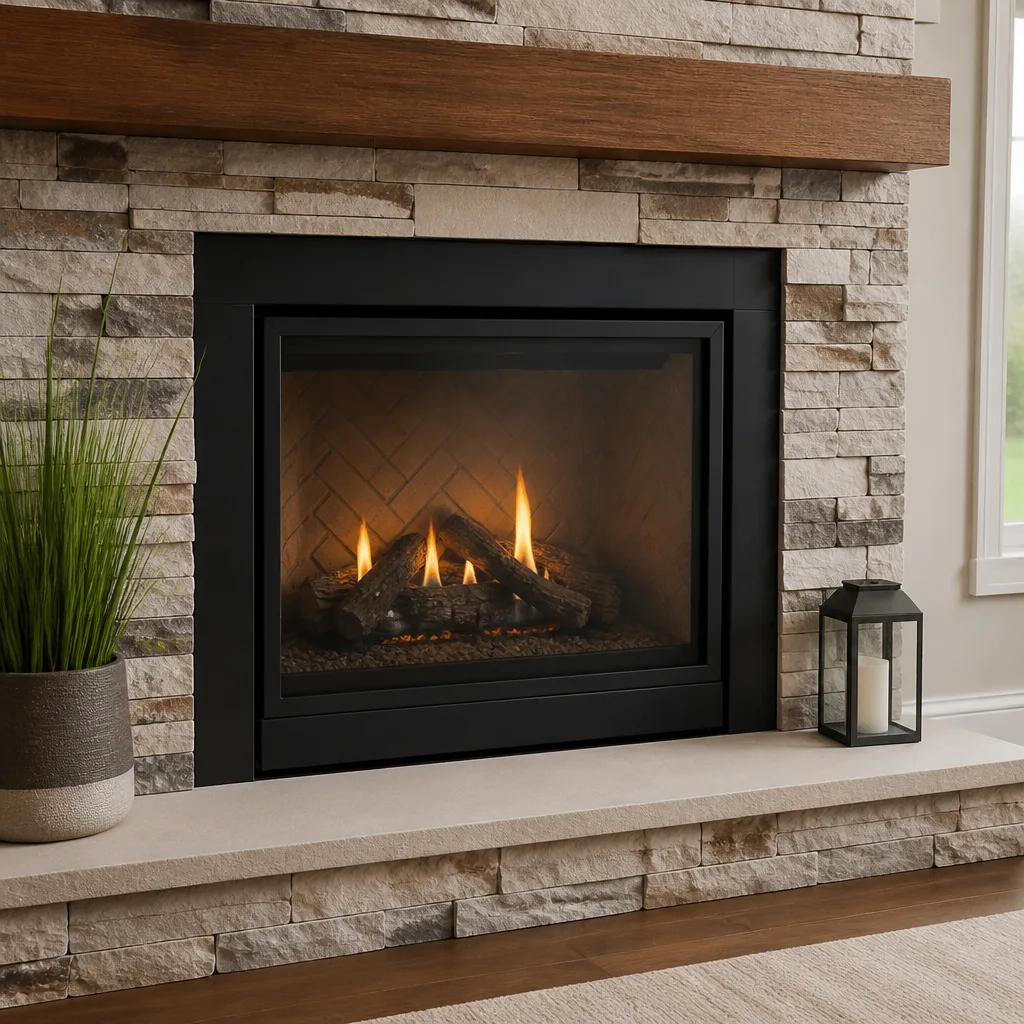 Gas fireplace service
Level 1 sweep and inspection to the NFPA 211 annual standard - flue, crown, cap, and flashing checked and photographed
Chimney sweep logs do not sweep chimneys. They loosen some creosote - which then falls where a brush and vacuum still have to collect it.
How to Hire a Chimney Cleaning Contractor in Northeast Raleigh: A Step-by-Step Guide
A CSIA certification tells you a technician passed a written exam. It doesn’t tell you whether they carry the camera equipment to actually inspect what they just swept, or whether they stock liner repair materials at all. That gap is where most hiring decisions in this trade go wrong, and it’s why two quotes that read the same on paper can lead to very different outcomes inside your flue. In this guide, we’ll walk through a technical vetting framework for Northeast Raleigh homeowners: what to ask, what to check, and how to read a quote so you’re comparing apples to apples.
Quick Answer
To hire a chimney cleaning contractor in Northeast Raleigh, verify three things before you book: the technician’s certification (CSIA or NFI), whether a camera-based inspection is included with the sweep, and whether the company can perform repairs in-house rather than referring you elsewhere. Ask for a written report of findings and confirm the quoted price covers both sweeping and inspection. A legitimate full-system visit documents what’s inside the flue, not just what came out of it.
Styles & brands we work with
- Sweep & inspection
- Caps & crowns
- Flue relining
- Masonry repair
- Gas fireplace service
Table of Contents
- Why Hiring a Chimney Contractor Is Different From Other Trades
- Certifications and Licensing: What NC Requires and What It Doesn’t
- The Equipment Questions That Separate Specialists From Handymen
- What a Legitimate Full-System Visit Should Include
- How to Compare Quotes When Line Items Are Bundled Differently
- Red Flags in a Chimney Quote
- Northeast Raleigh Climate and What It Does to Your Chimney
- A Step-by-Step Hiring Process
Why Hiring a Chimney Contractor Is Different From Other Trades
Most home service trades produce visible work. A plumber’s repair is testable. A roofer’s work is inspected from the ground. Chimney work is different because the critical components sit inside a flue you can’t see without a camera, and the consequences of missed problems are measured in fire risk and carbon monoxide exposure, not a leaky faucet.
This is the core reason the Northeast Raleigh market is harder to navigate than it looks. Certified full-system specialists and general handymen with a brush kit can quote identical prices, and the difference only surfaces months later when a flue liner turns out to be cracked and nobody documented it. The quote looked the same. The service wasn’t.
A chimney is a system, not a hole. It includes the firebox, smoke chamber, damper, flue liner, crown, and cap. Each component fails differently and on its own timeline. A sweep that cleans the flue but skips the smoke chamber leaves creosote deposits in the one place where a chimney fire most often starts. A sweep that doesn’t check the crown misses the most common entry point for water damage, which in turn degrades the liner from the outside in.
That’s why we treat inspection as a diagnostic step rather than an upsell formality. The whole point of hiring a specialist is to find out what your system actually needs before anyone quotes a repair. If a contractor can’t tell you the condition of your smoke chamber and liner, you don’t yet have enough information to make a decision.
Certifications and Licensing: What NC Requires and What It Doesn’t
North Carolina does not license chimney sweeps as a standalone trade. That’s the first thing to understand, and it’s why the credential question matters so much. General contractor licensing exists for larger structural work, but a chimney sweep operating in Northeast Raleigh may hold no state-issued chimney credential at all. The industry certifications are voluntary, which means they’re also a useful filter.
Here’s how to read the three credentials you’ll encounter:
- CSIA certification (Chimney Safety Institute of America). A written exam plus a code of ethics. It’s the baseline credential for the sweeping and inspection side of the trade. Worth verifying directly through the CSIA lookup rather than taking a logo on a website at face value.
- NFI certification (National Fireplace Institute). Focused on fireplace and venting systems rather than sweeping. Relevant if your work involves fireplace repair, insert installation, or venting configuration.
- Uncertified or handyman-only. Some Northeast Raleigh operators are general handymen who added chimney sweeping to a service list. They may do competent basic cleaning, but they typically can’t diagnose liner condition, perform HeatShield restoration, or document findings with a camera.
What licensing law does and doesn’t require here matters less than what you can verify. Ask for the certification directly, ask whether the person doing the work holds it or only the owner of the company does, and ask what happens when the sweep finds a problem. If the answer is “we refer that out,” you’re talking to a sweep operator, not a chimney specialist.
The Equipment Questions That Separate Specialists From Handymen
This is the section most hiring guides skip, and it’s the one that tells you the most. Equipment reveals capability faster than any credential checklist, because equipment costs money and handymen don’t buy it.
Ask these questions before you book:
- Do you use a closed-circuit camera for post-sweep inspection? A camera lets the technician see and record the interior of the flue, the smoke chamber, and the damper shelf. Without one, the inspection is visual from the firebox and the roof, which means the liner surface is essentially unverified. Ask whether you receive photos or video, not just a verbal summary.
- What brand of rotary cleaning system do you use? Rotary systems with proper whip heads clean more thoroughly than a hand brush, particularly on glazed creosote. Names matter less than whether they use a purpose-built rotary system at all. A hand brush on a rod is not equivalent.
- Do you perform liner restoration in-house? Ask specifically about HeatShield, which is a resurfacing system for deteriorating flue interiors. It’s a repair option that addresses damage without full liner replacement, and sweep-only companies generally can’t offer it because it requires applicator training and materials.
- Can you install a cap and crown? Products from Gelco and Famco are purpose-built for this. Water intrusion through a failed crown is the leading cause of chimney damage, and a company that can’t install a proper crown leaves you hiring a second contractor.
- What does the written report include? A real inspection produces documentation: photos, a condition assessment by component, and a clear statement of what needs attention now versus what can wait.
We work with contractor-grade materials from brands like DuraFlex and HeatShield, the same products certified chimney professionals specify, which means repair findings can be acted on without a referral to another company.
What a Legitimate Full-System Visit Should Include
A full-system visit is not a sweep plus a handshake. It’s a defined scope of work with documented findings. Here’s what a legitimate visit covers, from the firebox to the cap:
- Firebox inspection for cracked brickwork, deteriorated mortar joints, and gaps at the smoke shelf.
- Damper operation check plus inspection of the damper frame for rust and warping.
- Smoke chamber inspection, which requires access from below or above and is the step most often skipped. Creosote accumulates here and is difficult to remove without targeted tools.
- Flue sweep and camera scan using a rotary system, followed by a documented look at the full flue interior for cracks, gaps, and glaze.
- Crown and cap inspection, including checking for cracks, spalling, and a properly fitted cap with a screen.
- Exterior condition check for masonry joint wear and any signs of water tracking.
- Written report with photos and a prioritized list of findings.
If a quote mentions sweeping and nothing else, it isn’t a full-system visit. That’s the whole comparison. A sweep without an inspection is a guess, and the guess gets expensive when the flue is already compromised. You can read more about what our chimney sweep visit includes and how we structure the inspection alongside it.
How to Compare Quotes When Line Items Are Bundled Differently
Two quotes can both say “chimney cleaning” and cover completely different work. The trick to comparing them accurately is to normalize every quote to the same scope before you look at price. Do it in writing and the comparison becomes simple.
- Ask each contractor to itemize the visit as: sweep, inspection level, camera documentation, report, and any recommended repairs. If they can’t itemize, that’s an answer in itself.
- Confirm which inspection level is included. Not all inspections are the same depth, and the one tied to a sweep is usually the basic level. Ask whether the quote covers a camera scan of the full flue.
- Check whether the price includes the report and photos. Some quotes exclude documentation, which makes the finding unverifiable.
- Separate repair pricing from cleaning pricing. A bundled quote that hides repair cost inside a cleaning price can’t be compared to anything.
- Confirm whether the company performs the repairs in-house or refers them. A quote that requires a second contractor should carry a higher total system cost somewhere down the line.
- Read for code language. A quote referencing compliance with chimney installation standards is written by someone who knows the standards apply to their work.
The cheapest quote in Northeast Raleigh is structurally likely to omit smoke chamber inspection and liner camera documentation, not because the contractor is dishonest, but because those steps take equipment and time the price doesn’t cover. Comparing on price alone compares a partial visit to a complete one. If you want to understand how we structure a Chimney Sweep Northeast Raleigh visit end to end, that page walks through each step.
Red Flags in a Chimney Quote
You don’t need to be an expert to spot a weak quote. You need to know what’s missing.
- A flat sweep price with no inspection level stated. The quote should say what inspection depth is included. Silence usually means the minimum.
- No written report offered. If documentation isn’t part of the deliverable, the findings are unverifiable and the recommendation becomes a matter of trust rather than evidence.
- No mention of code compliance. Chimney work is governed by installation and venting standards, and a contractor who never references them is likely unaware of them.
- Recommendations made before any inspection. A quote with a liner replacement price attached before the flue has been scanned is a guess dressed as a diagnosis.
- No camera, no photos, no video. The single most reliable indicator of a sweep-only operator.
- Pressure to decide immediately. Chimney problems are rarely resolved in the next hour. A recommendation without a written explanation of urgency is worth questioning.
- No repair capability in-house. If every finding becomes a referral, you’re paying for a diagnosis without a path to treatment.
One more piece of advice that saves a lot of frustration: nothing should be recommended that you can’t see for yourself. If a contractor tells you a liner needs replacement, ask for the camera footage and ask what the alternative is. The fireplace repair work we take on usually begins with exactly that conversation.
Northeast Raleigh Climate and What It Does to Your Chimney
Northeast Raleigh’s climate puts specific stresses on masonry chimneys, and they shape what a contractor should be looking for. The region gets hot, humid summers followed by winters with frequent freeze-thaw cycles. That combination is hard on masonry. Moisture soaks into brick and mortar during the humid months, then expands when temperatures drop, and repeated cycles open hairline cracks and spall the surface.
The crown takes the worst of it. It sits fully exposed to sun, rain, and temperature swings, and once it cracks, water follows the gap down into the flue. That’s why cap and crown work is the first line of defense in this climate rather than a cosmetic upgrade. A properly fitted cap with a screen also keeps out the wildlife that finds its way into uncapped flues around here.
Homes in established Northeast Raleigh neighborhoods often have original masonry chimneys that have accumulated years of exposure without much maintenance. Clay tile liners in those chimneys commonly show joint gaps and hairline cracking when inspected with a camera, which is exactly the finding a sweep-only service can’t see or fix. HeatShield restoration exists for that situation: a resurfacing application that addresses a deteriorating flue interior without full replacement. It’s one of the reasons we keep HeatShield materials available and don’t hand off liner work to another company.
Our technicians have up to 14 years of experience reading these conditions, and the pattern is consistent: water intrusion that started at the crown turns into a liner problem that turns into a repair. Catching it at the crown is far easier than catching it at the flue.
A Step-by-Step Hiring Process
Here’s the sequence that keeps the decision simple and evidence-based.
- Verify the certification directly. Look up the company or technician through the CSIA listing. Ask whether the person doing the work holds it.
- Ask the equipment questions. Camera for post-sweep inspection, rotary cleaning system, in-house liner restoration capability, cap and crown installation.
- Request a written scope before booking. The scope should state the inspection level, whether photos are included, and what the report contains.
- Book the full-system visit. Sweep plus inspection, not sweep alone. A camera scan of the flue is the part you’re paying to see.
- Review the report before any repair decision. Look at the photos, ask what each finding means, and ask which items can safely wait.
- Get repair pricing only after findings are documented. A quote that follows evidence is a quote you can evaluate. One that precedes evidence isn’t.
- Confirm the same company can do the work. Cap and crown using Famco components, liner restoration, or masonry repair handled without a handoff.
That last point is where it pays to hire a full-system chimney specialist rather than a sweep crew. From the firebox to the cap, one company can service the whole system, and one point of contact owns the outcome. If you’re also thinking about chimney cap & crown work, that’s part of the same visit rather than a separate appointment. Estimates are free and set per job by the written estimate, so there’s no cost to getting the conversation started.
Common Mistakes to Avoid
- Hiring on price before scope. Two quotes with the same headline number can cover completely different work, and the cheaper one is usually the partial visit.
- Accepting a verbal inspection summary. Without photos or video, you have no way to check the finding, and no way to confirm the flue was actually scanned.
- Skipping the smoke chamber. It’s the most common origin point for chimney fires and the step most sweep-only operators leave out because it requires access and tools.
- Treating a cap as optional. In Northeast Raleigh’s humidity and freeze-thaw pattern, an uncapped flue takes on water that degrades the liner from the inside.
- Assuming NC licensing covers chimney work. It doesn’t. Certifications here are voluntary, so verification is on you.
- Letting one contractor sweep and another repair. The findings get lost in the handoff and the second company starts from scratch, often at your expense.
- Approving a liner replacement without seeing the camera footage. Ask for the evidence and ask what the non-replacement options are, including restoration systems.
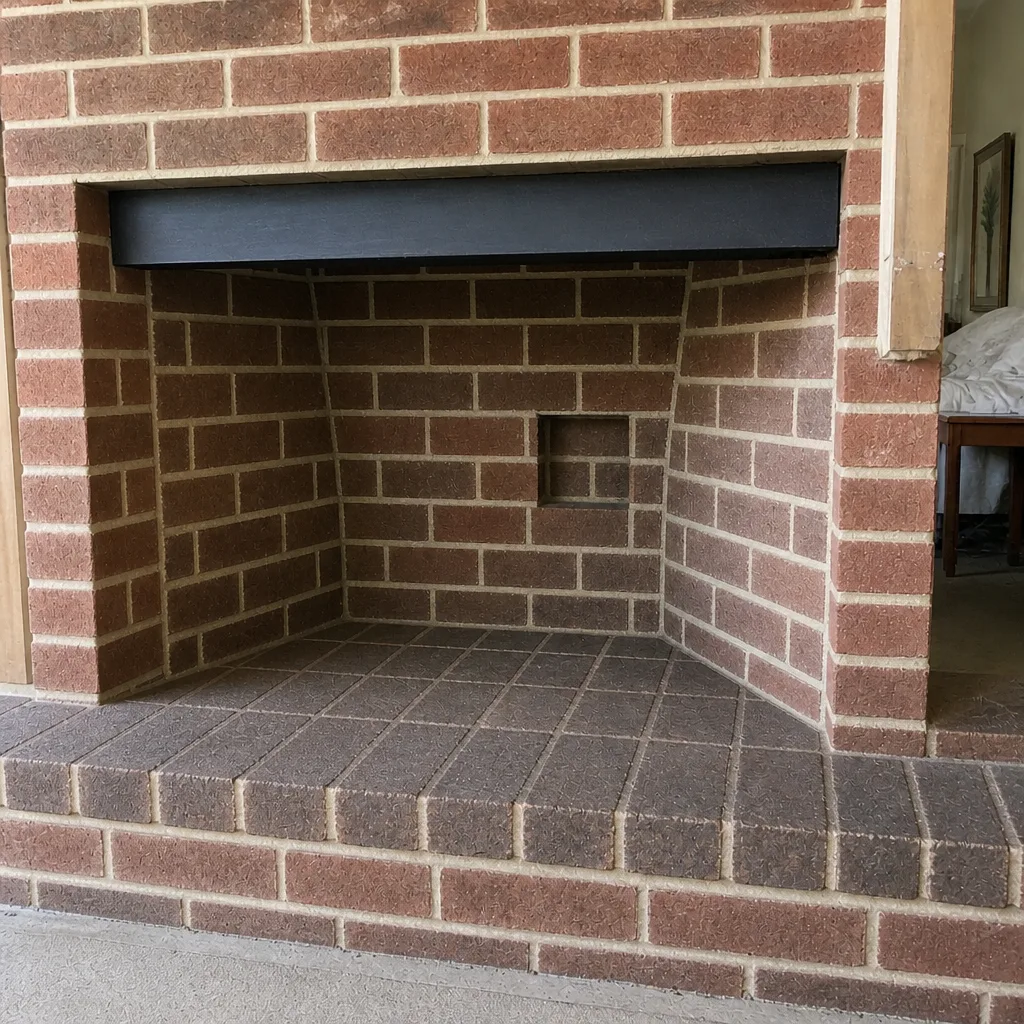
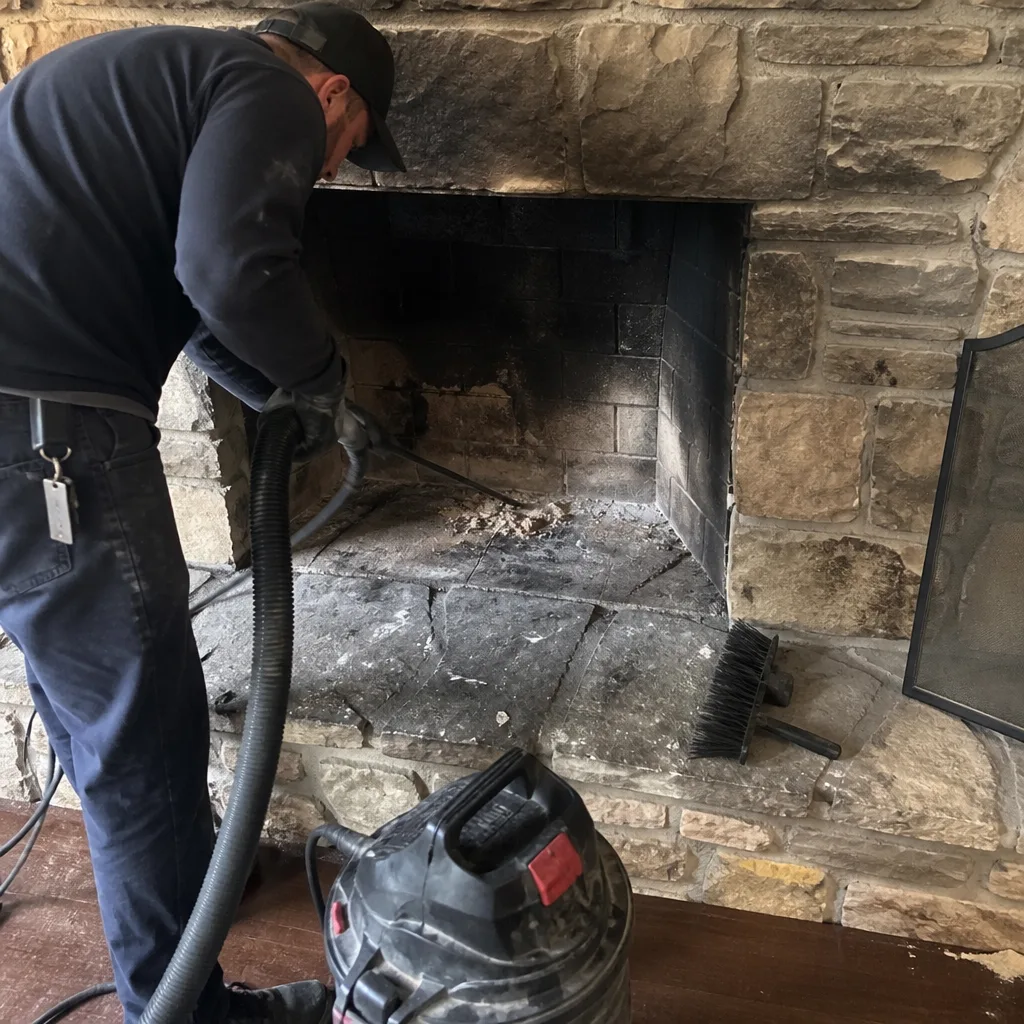
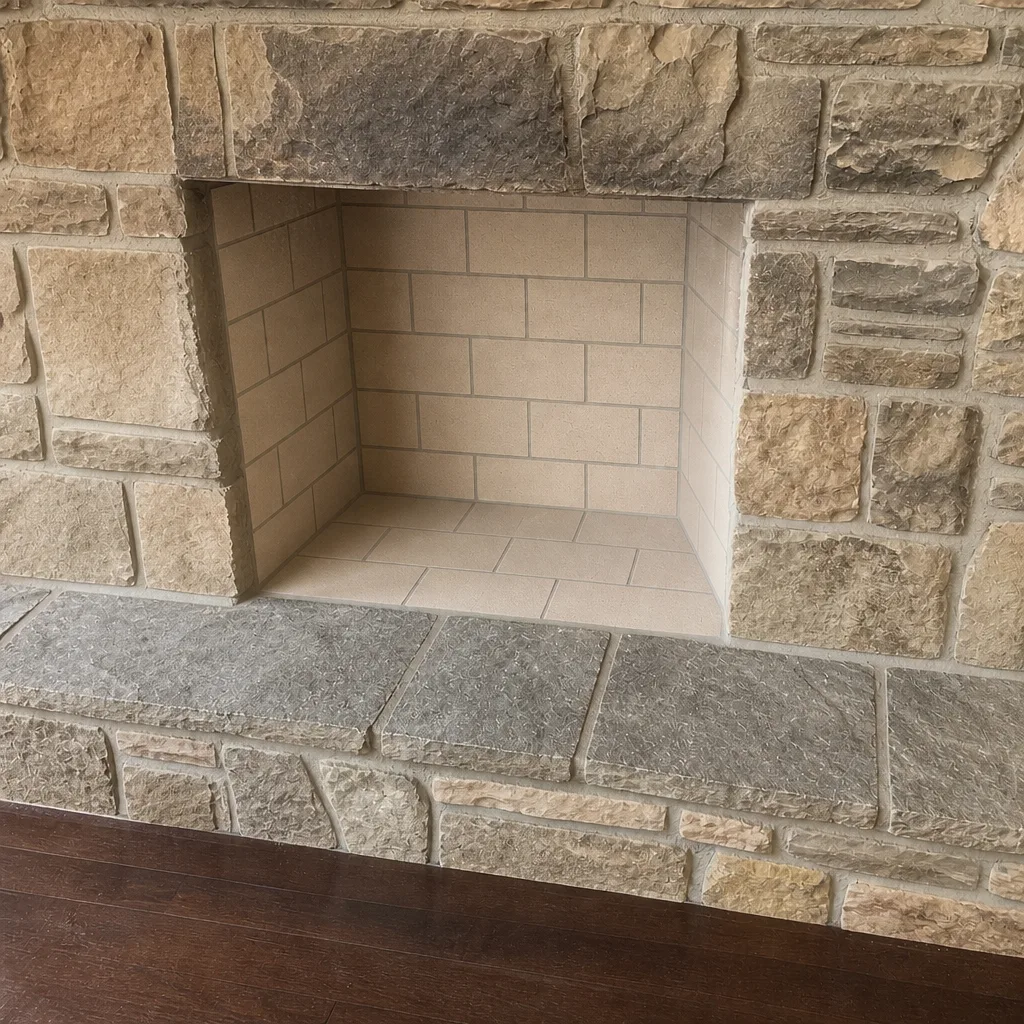
See the difference
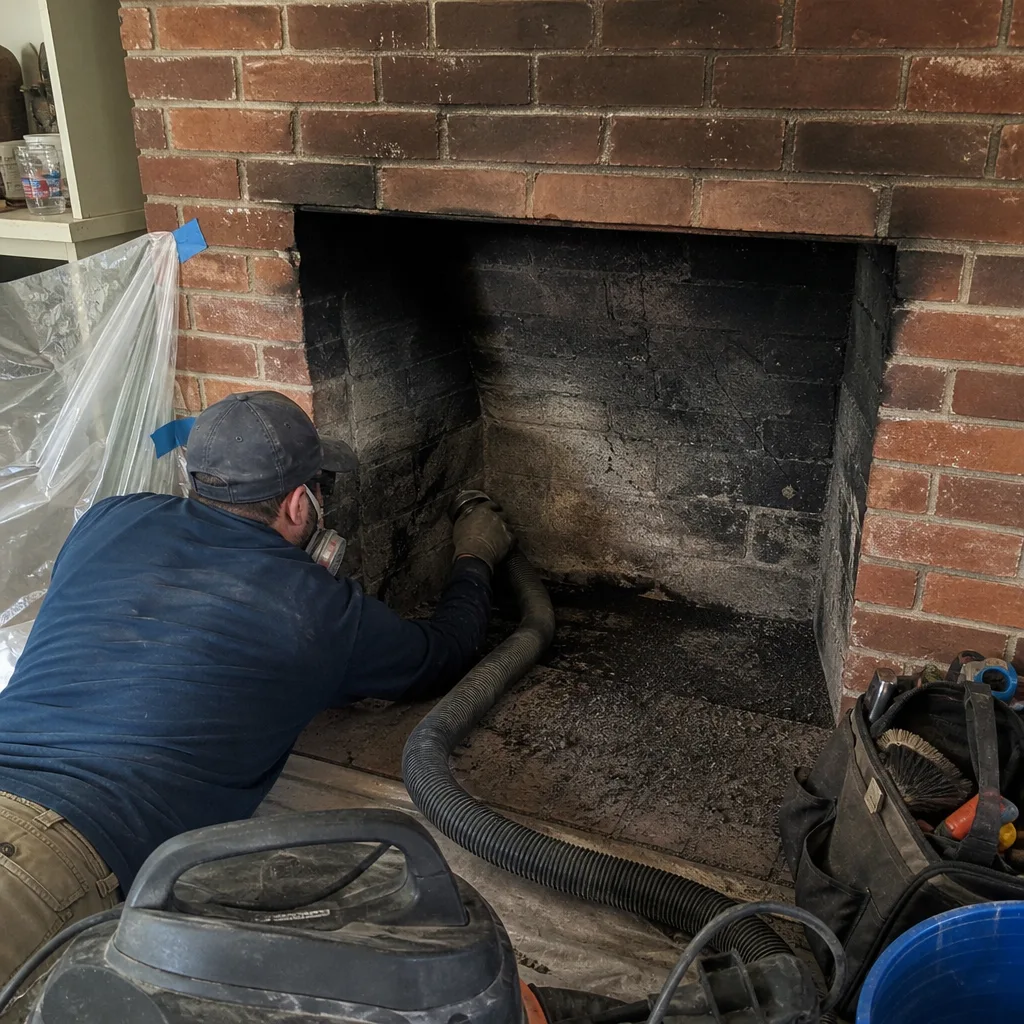 Before
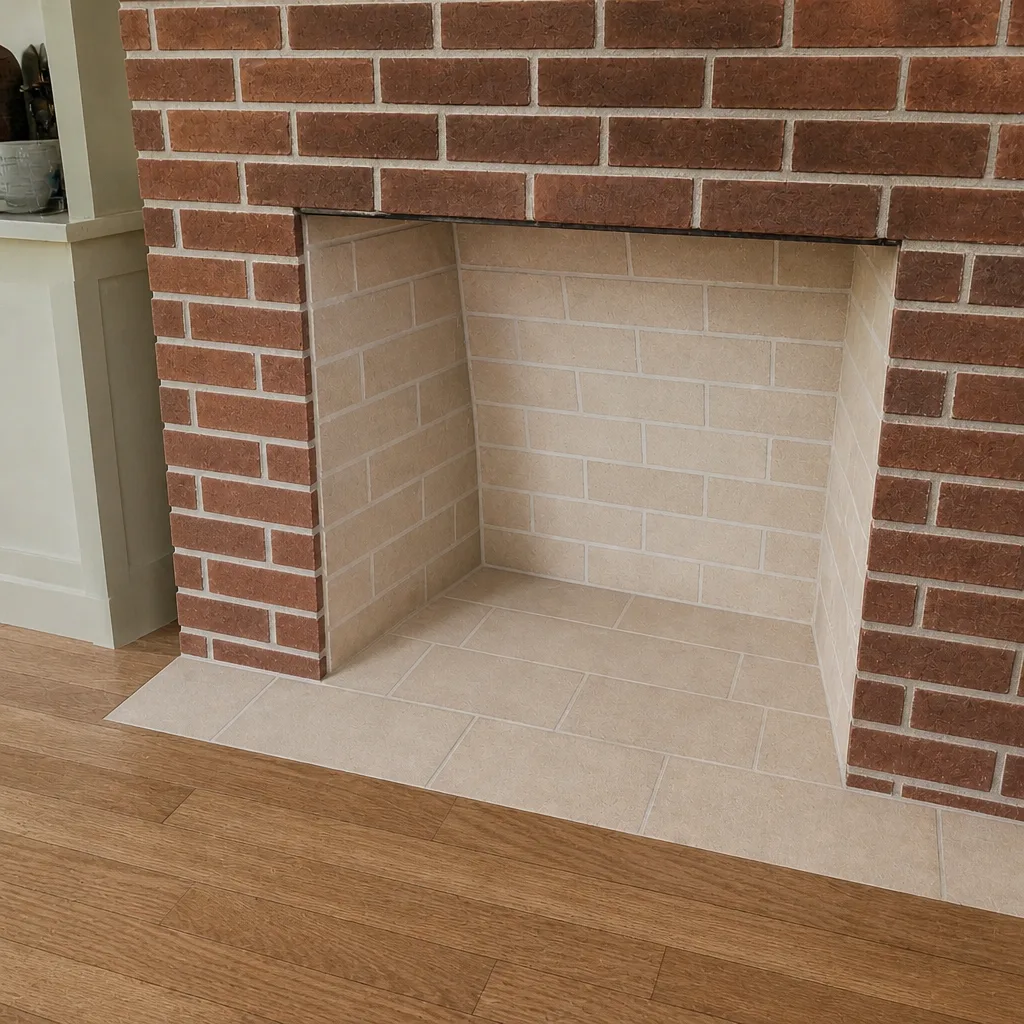 After
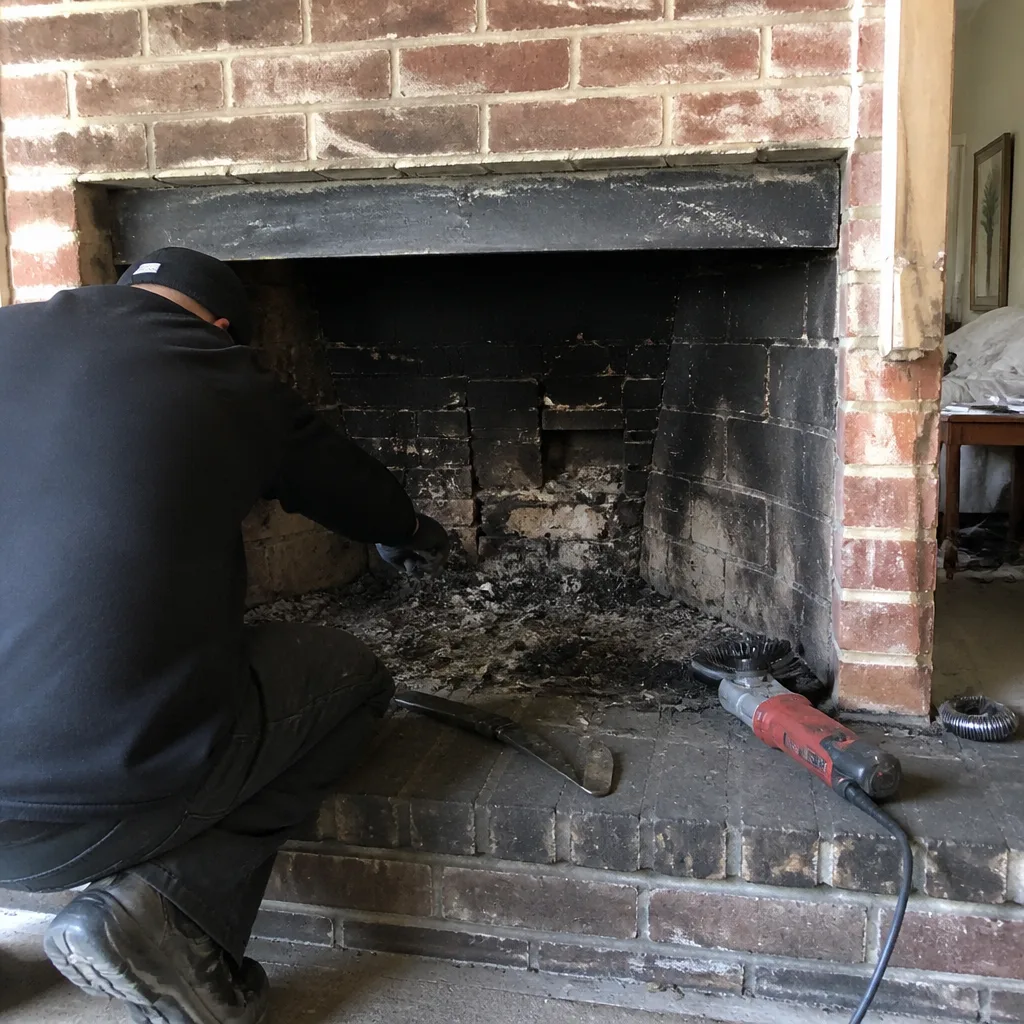 Before
 After
 Before
 After
When to Call a Professional
Some situations shouldn’t wait for a convenient season. Call a professional if you smell a strong creosote odor in the room, if the fireplace smokes back into the house when lit, if you can see cracked or missing brick inside the firebox, or if the damper no longer opens and closes smoothly. Persistent moisture or white staining on exterior masonry points to a crown or cap problem. A carbon monoxide detector that triggers near the fireplace is a call-now situation, not a book-later one. If it’s been more than a season since the last sweep, book a full-system visit before burning season rather than after. Chimney Sweep Northeast Raleigh offers free estimates in Northeast Raleigh – call (855) 726-7508. We answer 24/7. Fast dispatch from 7am to 7pm, Sunday through Friday.
Frequently Asked Questions
A standard sweep with a basic inspection typically runs in the low-to-mid hundreds, and a full-system visit with camera documentation costs more because it includes more work. The written estimate sets the final price, and estimates are free. Call (855) 726-7508 for an exact quote.
Not always, and that’s exactly why the camera matters. A cracked or gapped clay liner can sometimes be restored with a resurfacing application instead of full replacement, and a liner in good condition needs nothing at all. Nothing should be recommended without camera evidence you can see for yourself, and we’ll tell you plainly when a repair can safely wait. Call (855) 726-7508 for an exact quote – estimates are free.
Once a year for a fireplace in regular use, and more often if you burn frequently or notice heavy creosote buildup. The annual visit is also the inspection, which is how small problems get caught before they become repairs. Call (855) 726-7508 to book a full-system visit before burning season.
Creosote accumulates whether or not you notice it, and it’s the fuel source for a chimney fire. Separately, an uncapped or cracked crown lets water into the flue, which degrades the liner from the outside. Neither problem announces itself early, which is why the annual inspection is the point. Call (855) 726-7508 for a free estimate.
No. North Carolina does not license chimney sweeps as a standalone trade, so CSIA and NFI credentials are voluntary. That makes verification more important, not less: ask for the certification and confirm it through the CSIA listing rather than a logo on a website.
A full-system chimney company can. Sweep, inspection, fireplace repair, chimney repair, and cap and crown installation under one roof means findings don’t get lost in a handoff. Companies that only sweep typically refer repair work elsewhere. If you want one point of contact for the whole system, call (855) 726-7508.
The Bottom Line
Hiring a chimney contractor in Northeast Raleigh comes down to three questions: is the technician certified, does the visit include a camera-based inspection with a written report, and can the company perform repairs in-house. Everything else in a quote is secondary. A flat sweep price with no stated inspection level tells you what you’re getting before you ask. A quote that covers the full system, from firebox to cap, gives you something you can actually evaluate. Verify the credential, ask about the equipment, and insist on seeing the evidence before you approve any repair. The estimate is free, and the written estimate sets the final price.
Call (855) 726-7508 to schedule a free estimate. We answer 24/7. Fast dispatch from 7am to 7pm, Sunday through Friday.
Written by the team at Chimney Sweep Northeast Raleigh.